Saturday, February 25, 2017

Maha Mrityunjaya Mantra


Maha Mrityunjaya Mantra


Om Tryambhakam Yajamahe
Sugandhim Pushtivardhanam
Urvarukamiva Bandhanan
Mrityor Mukshiya Maamritat


Om Tryambhakam Yajamahe
Sugandhim Pushtivardhanam
Urvarukamiva Bandhanan
Mrityor Mukshiya Maamritat

Meaning :
We worship the Three-eyed One (Lord Siva).
Who is fragrant and who nourishes well all beings.
May He liberate us from death for the sake of immortality,
Even as the cucumber is severed from bondage to the creeper.i.e. By your Grace, Let me be in the state of salvation (Moksha) and be saved from the clutches of fearful death.
Another Meaning:

We worship Lord Shiva the three-eyed one,
the one who is the master of all senses and qualities and the
one who is the sustainer of all growth.
May He release us from the bondage of death
as a ripened cucumber is released from its stalk
and may He grant us immortality.
(not deprive us of immortality).
Image result for maha mrityunjaya mantra tamil
Significance of Mrityunjaya Mantra
The Maha Mrityunjay is a mantra that is said to rejuvenate, bestow health, wealth, a long life, peace, propsperity and contentment. The Mantra is a centuries old technique of connecting one to pure consciousness and bliss.

The prayer is addressed to LORD SHIVA. By chanting this Mantra, Divine vibrations are generated which ward off all the negative and evil forces and create a powerful protective shield. And it is said to protect the one who chants against accidents and misfortunes of every kind. It is a vibration that pulsates through every cell, every molecule of our body and tears away the veil of ignorance. It ignites a fire within us that consumes all our negativity and purifies our entire system. It is also said to have a powerful healing of diseases declared uncurable even by the doctors. It is a Mantra to conquer death and connects us to our own inner divinity.

Known as the Moksha Mantra of Lord Shiva, Maha Mrityunjay evokes the Shiva within and removes the fear of death, liberating one from the cycle of death and rebirth.

The Maha Mrityunjaya Mantra is very much a protector from accidents, mishaps and daily calamities in the modern busy life.

When to chant :

Chanting the Maha Mrityunjay Mantra with sincerity, faith and devotion in Bramha Muhurata is very beneficial. But one can also chant it anytime in a pure environment with great benefit and discover the happiness that's already within.

This Maha Mirityunyaya Mantra is a life giving mantra. It is a mantra to keep us safe from harm, safely in the arms of the Lord. It has a great curative effect, against diseases of body and mind, if it is chanted with sincerity, faith and devotion.  In these days, when life is very complex and accidents are an everyday affair, this holy Mantra comes to your rescue. It wards off death by snake-bits, lightning, water accidents, motor accidents, air accidents, and accidents of all kinds. Besides, It has a great curative power. Diseases that are pronounced incurable by doctors are cured by this Mantra, when chanted with sincerity, faith and devotion. It is a Mantra too conquer death.

It is also a Moksha-Mantra. It is Lord Shiva’s mantra. It bestows health (Arogya), long life (Durgha Ayus), peace (Shanti), wealth (Aishwarya), prosperity (Rishti), satisfaction (Tushti) and immortality (Moksha).

On your birthday, repeat this Mantra with faith. It will bestow long life. You may repeat also at bed-side of alling persons.

To chant with the mantra or to have it playing in the background can be helpful in everyway as we allow its influence to permeate our consciousness

UNDERSTAND THE MAHAMANTRA

It is important to understand the meaning of the words as this makes the repetition meaningful and brings forth the results.

OM is not spelt out in the Rig-Veda, but has to be added to the beginning of all Mantras as given in an earlier Mantra of the Rig-Veda addressed to Ganapati. This Mantra is given in the Prayer page of my Book "Maharishi Jaimini's Upadesa Sutra".

TRYAMBAKKAM refers to the Three eyes of Lord Shiva. 'Trya' means 'Three' and 'Ambakam' means eyes. These three eyes or sources of enlightenment are the Trimurti or three primary deities, namely Brahma, Vishnu and Shiva and the three 'AMBA' (also meaning Mother or Shakti' are Saraswati, Lakshmi and Gouri. Thus in this word, we are referring to God as Omniscient (Brahma), Omnipresent (Vishnu) and Omnipotent (Shiva). This is the wisdom of Brihaspati and is referred to as Sri Duttatreya having three heads of Brahma, Vishnu and Shiva.
YAJAMAHE means, "We sing Thy praise".
SUGANDHIM refers to His fragrance (of knowledge, presence and strength i.e. three aspects) as being the best and always spreading around. Fragrance refers to the joy that we get on knowing, seeing or feeling His virtuous deeds.
PUSTIVARDHANAM: Pooshan refers to Him as the sustainer of this world and in this manner, He is the Father (Pater) of all. Pooshan is also the inner impeller of all knowledge and is thus Savitur or the Sun and also symbolizes Brahma the Omniscient Creator. In this manner He is also the Father (Genitor) of all.
URVAAROKAMEVA: 'URVA' means "VISHAL" or big and powerful or deadly. 'AAROOKAM' means 'Disease'. Thus URVAROOKA means deadly and overpowering diseases. (The CUCUMBER interpretation given in various places is also correct for the word URVAROOKAM, but not apt for this mantra). The diseases are also of three kinds caused by the influence (in the negative) of the three Guna's and are ignorance (Avidya etc), falsehood (Asat etc as even though Vishnu is everywhere, we fail to perceive Him and are guided by our sight and other senses) and weaknesses (Shadripu etc. a constraint of this physical body and Shiva is all powerful).
BANDANAAM means bound down. Thus read with URVAROOKAMEVA, it means 'I am bound down by deadly and overpowering diseases'.
MRITYORMOOKSHEYA means to deliver us from death (both premature death in this Physical world and from the neverending cycle of deaths due to re-birth) for the sake of Mokshya (Nirvana or final emancipation from re-birth).
MAAMRITAAT means 'please give me some Amritam (life rejuvinating nectar). Read with the previous word, it means that we are praying for some 'Amrit' to get out of the death inflicting diseases as well as the cycle of re-birth.
Tamil:
https://archives.chennaionline.com/festivalsnreligion/slogams/slogam5.asp
english:
https://archives.chennaionline.com/festivalsnreligion/slogams/2007/01slokam49.asp
https://archives.chennaionline.com/festivalsnreligion/slogams/2007/01slokam50.asp


you tube:

https://www.youtube.com/results?search_type=&search_query=MAHAMRITYUNJAYA+MANTRA&aq=f


https://www.mefeedia.com/tags/mrityunjaya


Friday, February 24, 2017

What is silent [summa iru]

Image result for summa iru

What is silent [summa iru] 


What do I want. Whatever enter into the mouth gets converted into the house(body) without my knowledge. What ever jewels money wealth not coming into this house(body). Whatever relations are standing outside the house (body). Nobody nothing can come into my house (body). And also I can't go out of this house to get all those things. What to do. House is created and maintained by the creator. So I can't do anything in this material world . This world is maintained by the creator. I have no work. So I stay idle and waiting for my release. 

Always thinking about the renovation of the material world. When you are renovate your self.
Hear this speech on shivaratri night ..For 2 or 3 time .. You can get some things special in your life ... 

Mp3 https://goo.gl/k1H4I2 (47 minutes ) -

Dr. Dheena Dayaalan Uyir

Tuesday, February 21, 2017

shivratri celebrated 24/02/2017

Om –Dath – Sath Guruparabrammane Nam:

Shivratri celebrated Lord Srimath Sadhananda Bramme Gurudevadath Swamigal 


we are plane to celebrated Shivratri 24/02/2017 at our Swamigal ashram  Alapakkam - Sadhanandapuram, 

left turn before perungalathur old police station Chennai. 600063


No automatic alt text available.

Monday, January 30, 2017

Srimath Sadhananda Swamigal 95th Guru Pooja

Om –Dath – Sath Guruparabrammane Nam:

Lord Srimath Sadhananda Bramme Gurudevadath Swamigal 95th Annual Guru Pooja Invitation
Image may contain: indoor


11-02-2017 On saturday  You please kindly come to the Gurupooja and receive the blessings of Lord Siva-Sath-Gurunathar

President –Swamy Chinmayananda
Arulmigu Gurudevadath Sri Sadhananda Swamigal Seva Trust
( Regd.No.actXX1 of 1860 S.No.860 of 2009 )
Sadhanandapuram (near to New Perungalathur)
Chennai – 600 063
email: sadhanandaashramam@gmail.com

Landmark:
Take left at the left turn before New Perungalathur (Police / Railway) station and go further 1km in the second road bend u will find the temple board at your left ,take that turn and take first right and take first left in will ends at this Jeeva samadhi temple.

MTC Bus : Tambaram to Sadhanandapuram M55G,55D,M118A
Railway station : Perungalathur next to Tambaram
Share Auto : from Perungalathur police station


Swami Biography in Brief

Swami Sadhananda lived in this village Alapakkam (1909-1922), his last phase of life spent here serving the mankind and teaching spiritual exercises, and still living here with spiritual body and blessing the devotees. This place Alapakkam is located near Perungalathur, Chennai, Tamil Nadu, India.

Swami Sadhananda was brought here by Sri Narayanasamy - his first and most disciple. The Guruji attained Jeeva Samathi in 1922. During his sadhu lifespan he did several miracles to save peoples and the village, besides guiding his students to be blessed with high levels in sprituality.

Swami Sadhananda was a Navakanda Yogi, learned the practice from Thiruvidaimaruthur Avaduth Mouna Swamigal...link About Ashramam


DONATION ARE ACCEPTED
Arulmigu Gurudevadath Sri Sadhananda Swamigal Seva Trust
Syndicate Bank-Perungalathur Br. A/c No. 61152200053202  [ IFSC Code: SYNB0006115 ]


---------------------------------------------------------------------------------------------------

ஸ்ரீமத் சதானந்தபிரம்ம குருதேவதத் சுவாமிகள் 95வது ஆண்டு குருபூஜை விழா அழைப்பிதழ்

சுவாமிகளின் இந்த வருடத்திய 95வது மகா குருபூஜை விழா சிறப்புடன் நடைபெற இருக்கிறது . நிகழம் கர வருடம் தைத்திங்கள் 29ம் நாள் (11-02-2017)  மகம் நட்சத்திரம் கூடிய சுபதினத்தில் ஆன்பர்கள் மூலமாக நடக்கவிருக்கும் குருபூஜை விழாவில் பங்கேற்று சிவ - சத் - குருவின் திருவருளும் , அருளாசியும் பெற்று விழாவினை சிறப்பிக்க வேண்டுமென அன்புடன் அழைக்கின்றோம் .


சுவாமி சதானந்தாவாழ்கை வரலாறு - சிறு குறிப்பு

சுவாமி சதானந்தா தன் வாழ்கையின் கடைசி காலத்தை ஆலப்பாக்கம் கிராமத்தில் (1909-1922) வாழ்ந்து ஜீவ சமாதி நிலையை அடைந்து பக்தர்களுக்கு அருள் பாலிக்கிறார். இந்த ஆலப்பாக்கம் எனும் கிராமம் சென்னையை அடுத்த பெருங்களத்தூரில் அமைந்துள்ளது.

சுவாமி சதானந்தசதானந்தா சுவாமிகள் தன் முதல் நிலை சீடர் ஸ்ரீ நாராயணசாமி ஐயா மூலமாக இங்கு அழைத்துவரப்பட்டார். சுவாமி சதானந்தா இங்கு வாழ்ந்த நாட்களில் கிராம மக்களுக்காகவும் தன் பக்தர்களுக்காகவும் நிறைய சித்துகளை நிகழ்தினார்.

சுவாமி சதானந்தா தன்னுடைய ஜீவசமாதியை 1922 இல் ஏற்பாடுசெய்து கொண்டார். இங்கு அவர் தனது சூட்சும தேகத்தோடு பக்தர்களுக்கு அருள் பாலிக்கிறார்.

பூர்வாசிரமத்தில் ஸ்டேஷன் மாஸ்டர் ஆக இருந்த சுவாமி சதானந்தா - ஒரு நவகண்ட யோகி, இந்த கலையை திருவிடைமருதூர் அவதூத மௌன சுவாமிகள் முலமாக கற்றுக்கொண்டார்....
tamil: https://sadhanandaswamigal.blogspot.com/2015/10/sadanantha-swamigal-story.html
ஸ்ரீமத் சதானந்தபிரம்ம சுவாமிகள் கதை [PDF]:


இவ்வண்ணம்
தலைவர் - சுவாமி சின்மையானந்தா அவர்கள்
அருள்மிகு குருதேவதத் ஸ்ரீ சதானந்த சுவாமிகள் சேவா அறக்கட்டளை
( Regd.No.actXX1 of 1860 S.No.860 of 2009 )
சதானந்தபுரம் , சென்னை -600063

சுவாமிகள் 95வது ஆண்டு குருபூஜை விழா அழைப்பிதழ் :


You please kindly come to jeeva samadhi and receive the blessings of Lord Siva-Sath-Gurunathar

Thanks & Regards

ஹரிமணிகண்டன்
Harimanikandan .V

Hp +91 98412 67823


ஓம் சிவசிவ ஓம்

Dr.Mystic Selvam Om Shiva Shiva Om Mp3                  

Be Good & Do Good

Friday, January 27, 2017

Mouna guru swamigal 115 Guru Poojai on 28/01/2017

Mouna guru swamigal 115 Guru Poojai on  28/01/2017

Guru Poojai 

Morning At 8 Am in Thiruvotriyur samadhi
Evening At 5 Pm in opposite to Arunachaleshwarar Temple , Anna pillai street  chennai where he lived place..


Thiruvotriyur samadhi Way:
Take the road opposite to vadivudai amman koil street that is appar swamy koil street and then take the road opposite to appar swamy koil street road.(Just cross the beach road ) And in that road take the right turn and reach parallel road ,in that road in the right side there will be sadai swamigal temple , go about few meters and take left(Small cut road)  Beside graveyard and walk about 100 mts. Ther will be mouna guru swamigal jeeva samadhi temple. Time 6 to 12 and 5 to 8pm..


 Temple Way :  opposite to Arunachaleshwarar Temple , Anna pillai street , Near to mint street 


Friday, January 13, 2017

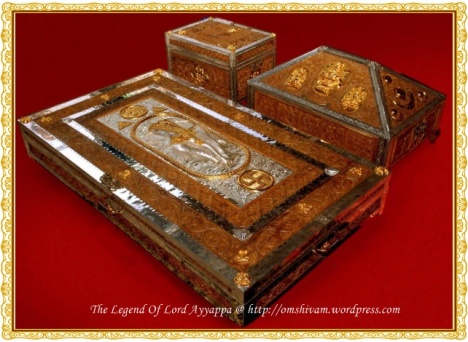
Thiruvabharanam


Makaravilakku marks the grand finale of the two-month period of the Sabarimala pilgrimage. This follows the arrival of 'Thiruvabharanam' from Pandalam to Sannidhanam.
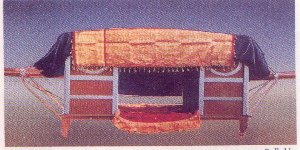
Three days prior to this , the procession carrying the holy caskets containing the sacred ornaments , as also other relics and paraphernalia needed for special poojas at Sabarimala , starts on its long trek from Pandalam. A scion of the Pandalam royal family , chosen and blessed by the Valiya Thampuran (Senior Raja) accompanies the procession in a palanquin (pallakku).
Thiruvabharanam


A member of royal family chosen by the Valiya Thampuran (Senior Raja) accompanies the Thiruvabharanam procession from Pandalam to Sannidhanam and back. All through the journey, people in large numbers pay their respects to the Raja of Pandalam and receive ‘vibhuthy’ from him. Devotees ,particularly women,who are prohibited from going to Sabarimala, can have opportunities for ‘darshan’ of the holy ornaments at Srampickal Palace during Mandalam-Makaravilakku season.

Other customs include :

• The Valiya Thampuran never goes to Sabarimala.
• Male children before ‘upanayanam’ (thread ceremony) and female members of the Palace are not allowed to undertake the pilgrimage.
• No one from Pandalam royal family goes to Sannidhanam on Makaravilakku day.
• Family members do not stand right in front of the sanctum sanctorum while at Sabarimala.
• Members of Pandalam palace need not carry ‘irumudikettu’ while climbing ‘pathinettampadi’.
• The Pandalam Valiya koikkal temple remains closed for 12 days upon the death of any member of the Palace.


On 28th Dhanu (around 12th January), the day the procession is to start, at 4 in the morning , the holy boxes are taken from Srampickal palace and moved to the temple for viewing and worship. 'Darshan' of the Ornaments and rendering of offerings to them on this occasion are believed to be highly auspicious and beneficial.

Palanquin

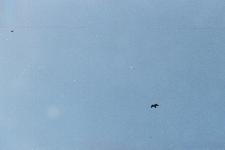
Thousands queue by the sacred pieces now. At around 1 o'clock in the afternoon , a brahminy kite (popularly known as 'krishnapparunthu') will be sighted circling majestically far above the temple. Devotees believe that this is Lord Vishnu upon 'Garuda' accompanying the Thiruvabharanam from Pandalam through Sabarimala where again the kite is found hovering above the temple synchronizing with the arrival of the procession there. The chanting of the Lord's name rises to a thunderous crescendo at the sight of the kite and deafening explosions of crackers rend the air. The Boxes are closed and taken out of the temple by specially deputed bearers.

[
Krishnapparunthu at the start of Thiruvabharanam procession at Pandalam]
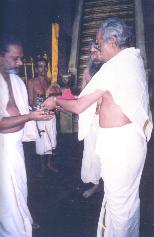
The ValiyaThampuran has will arrive in royal style from his Palace to the temple and is by now inside the temple to offer 'vibhuthy' to the members of the procession as also to his represndative whom he has chosen to escort the Thiruvabharanam. The delegation of authority and responsibility by the Senior Raja to his representative is symbolized by the former handing over a sword to the latter.

The procession will start. The frenzied movements of the bearers of the boxes, the rising tempo of the devotees chanting 'Swamiye-Ayyappo', the exploding fireworks, The Pandalam Raja accompanying the Thiruvabharanam in his palanquin, the infectious excitement of the surging crowds and the seemingly unperturbed hovering of the 'krishnapparunthu' far above-all make up an indescribably magnificent moment when the journey starts for the distant hill shrine, marking the fulfillment of a vow, the consummation of a dream, the vindication of a faith. 


Thiruvabharanam procession
The procession takes the age-old route through village roads, across rivers and up and down hills. The Raja (Thampuran) and other members are accorded reception at various places by various devotee-groups, including tribals. All through the procession , people in large numbers pay their respects to the Raja and receive 'vibhuthy' from him. After scheduled halts at Ayroor-Puthiyukavu and Laha, the procession reaches Valiyanavattom(Pampa) on the 3rd day(1st Makaram). From there the Thiruvabharanam proceeds through the traditional forest route to Saramkuthi while the Thampuran (Raja) and his aides go to the Rajamandapam near the Pampa Ganapathy temple and stay there.


The Raja of Pandalam who stayed back at Pampa on 1st Makaram arrives at Sabarimala on 3rd Makaram.Devotees continue to arrive in large numbers for ‘darshan’ of the deity adorned with the holy ornaments and to obtain the blessings of the Raja. ‘Darshan’ on the morning of 7th Makaram is exclusively restricted to the Pandalam Raja, after which the temple will be closed and the Raja returns to Pandalam , taking the Thiruvabharanam with him.


There the Melsanthi(chief priest) receives the Raja who then climbs up the holy steps and worships the Lord. At Sabarimala the Raja stays in the Rajamandapam at Malikappuram . Carrying his sword of authority , he goes to the Ayyappa shrine overseeing the various poojas and returns after receiving 'prasadam' from the Melsanthi. 'KalabhaAbhishekom' of Ayyappa deity is performed on 5th and 'guruthi' at Malikappuram on 6th of Makaram. The Raja also offers 'dakshina' to Thanthri, Melsanthi and others. After the 'guruthi', the Raja moves over to a room up Pathinettampadi. Next morning , he sets out for Pandalam , taking the Ornaments with him. Minutes before his departure, he comes to the sanctum sanctorum to take leave of the Lord. It is now an extremely emotional and moving scene when the Sannidhanam holds only the two : The Lord and the Raja of Pandalam ; even the chief priest moves out of sight, leaving the Raja alone to commune with the God. After a few minutes , the priest returns and seeks the permission of the Raja to close the Sreekovil for the season and then hands over the key to the Raja in a ritualistic gesture that re-establishes the rights of Pandalam Raja over the shrine at Sabarimala.


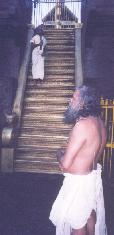
[The Raja - the last person to climb down Pathinettampadi]


[Raja handing over key of the Sreekovil to the Devaswom authorities]

Thiruvabharanam Return Journey

After the Makaravilakku , the Sabarimala temple is closed for the season on the morning of 7th Makaram. Immediately the return journey commences. The first overnight halt is at Laha. The second day the procession reaches Perunadhu Temple. This is the temple constructed by the Raja of Pandalam .


Staying at Perunadhu the Raja personally supervised the construction of the Sabarimala temple. The Ayyappa deity in this temple is also adorned with the holy ornaments. Thousands , especially women queue up to have the 'darshan' and to obtain 'vibhuthy' from the Raja of Pandalam . On 9th Makaram, the procession moves to Aranmula Kottaram (Palace) and halts there. On the 10th Makaram around 8 am, the holy journey reaches back in Pandalam.
Swami Saranam

சபரிமலை ஐயப்பனின் திருவாபரணம் ( thiruvabharanam )


thiruvabharanam tamil


ஸ்ரீ மஹாசாஸ்த்ரு ப்ரியதாஸன்
ஸ்ரீ V. அரவிந்த் ஸுப்ரமண்யம்
94 B மூன்றாவது வீதி டாடாபாட், கோவை 641 012
(aravindsai@gmail.com)

( எனது கட்டுரை ஜனவரி 2012 திரிசக்தி இதழில் வெளியானது)


சபரிமலையில் மகர ஸங்க்ரமண நேரத்தில் ஐயப்பனுக்கு சார்த்துவதற்காக பந்தளம் அரண்மனையிலிருந்து திருவாபரணம் புறப்படும் கண் கொள்ளாக் காட்சியை வர்ணிக்க வார்த்தைகள் போதாது. வருடத்தின் மற்ற நாட்கள் முழுவதும் பந்தளம் அரண்மனையின் பொறுப்பில் பூட்டி வைக்கப்பட்டிருக்கும் திருவாபரணம் வருடத்தில் 5-6 நாட்களுக்குத்தான் வெளியே கொண்டு வரப்படுகிறது.

பந்தளம் அரண்மனையில், பூஜைகளை முடித்து சபரிமலை புறப்படுவதற்காக அரசர் உட்பட அனைவரும் காத்திருப்பார்கள். வானில் கருடன் வந்து திருவாபரணத்தை வட்டமிட்ட பிறகுதான் திருவாபரண யாத்திரை புறப்படும்.

இந்த ஆபரணப் பெட்டியை சுமப்பதற்காகவே பாரம்பரியமாகவே சில குடும்பங்கள் இருக்கிறார்கள். அவர்களே இந்த பெட்டிகளை சுமப்பதற்காக விரதம் இருந்து வருகிறார்கள்.

பந்தளம் அரண்மனையிலிருந்து தலைச்சுமையாக புறப்படும் திருவாபரண ஊர்வலத்தைக் காண வழியெங்கும் விளக்கேற்றி சாதி மத பேதமின்றி பக்தர்கள் காத்திருந்து வரவேற்பது மெய்சிலிர்க்க வைக்கும் அனுபவமாகும்.

சுமார் மூன்று நாட்கள் காட்டுவழியில் வந்து சேர்ந்த ஆபரணம் பெரியானைவட்டத்தை அடையும் போது உண்டாவது பரவசம்.

சரங்குத்தி கடந்து பதினெட்டாம் படியேறி ஆபரணம் சன்னிதானம் அடைவதைக் கண்டாலே ஆனந்தம்.

ஐயப்பனுக்கு திருவாபரணம் சார்த்தி காணக்கிடைக்கும் தரிசனம் - கண நேரம் மட்டுமே கிடைக்கும் அரிதான ஒரு தரிசனம்.

அந்த ஆபரணங்களைக் குறித்து அறிய பல பக்தர்களுக்கு ஆர்வம் இருக்காதா ? சபரிமலைமெய்யனின் ஒரு அளவிடமுடியாத திருவருளின் காரணமாய் ஒரு நாள் முழுதும் அந்த திருவாபரணங்களை கண்ணாரக் காணும் பாக்யம் கிட்டியது.

பந்தளம் அரண்மனையில்
கட்டுரை ஆசிரியர் அரவிந்த் ஸுப்ரமண்யம்


பந்தளம் அரண்மனையில்
கட்டுரை ஆசிரியர் அரவிந்த் ஸுப்ரமண்யம்

சுத்தமான பசுந்தங்கத்தால் ஆன அந்த ஆபரணங்கள், பன்னெடுங்காலத்துக்கு முன்பு, பந்தள மன்னனால் சபரிமலை சாஸ்தாவுக்காக செய்யப்பட்டது.

இந்த வருடம் சிறப்பு அழைப்பின் பேரில் பந்தளம் அரண்மனைக்கே சென்று ஆபரணங்களை ஒரு நாள் முழுக்க காணு அரிய வாய்ப்பு கிடைத்தது.


பந்தளம் அரண்மனையில்
கட்டுரை ஆசிரியர் அரவிந்த் ஸுப்ரமண்யம்
இந்த ஆபரணங்களைக் குறித்த சரியான தகவல்கள் பக்தர்களிடம் போய் சேராததால் பலரும் பலவிதமாக  கூறிவருகிறார்கள்.

நான் கோவிலருகே நின்று கொண்டிருக்கும் போது கூட சிலர் "இது ஐயப்பனே அணிந்து கொண்டிருந்தது" என்று கூறினார்கள்.

பலரும் நினைப்பது போல இது ஐயப்பன் அணிந்து கொண்டிருந்த ஆபரணங்கள் இல்லை. சபரிமலையில் கோவில் கொண்ட தர்ம சாஸ்தாவுக்காக பந்தள ராஜனால் உருவாக்கப்பட்ட ஆபரணங்கள்.

திருவாபரணப் பெட்டி ஊர்வலமாக வரும் போது கண்டிருப்போம்; மொத்தம் மூன்று பெட்டிகளைக் கொண்டது அது.

1. திருவாபரணப் பெட்டி
2. வெள்ளிப் பெட்டி
3. கொடிப் பெட்டி

இந்த திருவாபரணப் பெட்டி மட்டுமே ஐயப்பன் சன்னிதியை அடைகிறது. மற்ற இரண்டு பெட்டிகளும் மாளிகைப்புறத்தம்மன் சன்னிதிக்கு சென்று விடும்.


திருவாபரணப் பெட்டி - பெட்டி 1
ஐயப்பன் சன்னிதியில் கொடுக்கப்படும் முக்கியமான திருவாபரணப் பெட்டியில் தர்ம சாஸ்தாவை அலங்கரிக்க கீழ்காணும் ஆபரணங்கள் உள்ளது.

ஃ திருமுகம் - (சாஸ்தாவின் முக கவசம்)
ஃ ப்ரபா மண்டலம் (ப்ரபாவளி)
ஃ வலிய சுரிகை (பெரிய கத்தி)
ஃ செறிய சுரிகை (சிறிய கத்தி)
ஃ யானை - யானை விக்ரஹம் 2
ஃ கடுவாய் - புலி விக்ரஹம் 1
ஃ வெள்ளி கட்டிய வலம்புரி சங்கு
ஃ பூர்ணா - புஷ்கலா தேவியர் உருவம்
ஃ பூத்தட்டம் (பூக்களை வைக்கும் தங்க தட்டு)
ஃ நவரத்தின மோதிரம்
ஃ சரப்பளி மாலை
ஃ வில்வ மாலை (தங்க இதழ்களால் ஆனது)
ஃ மணி மாலை (நவரத்னங்களால் ஆனது)
ஃ எருக்கம் பூ மாலை (தங்க எருக்கம்பூக்களால் ஆனது)


வெள்ளி பெட்டி (பெட்டி 2)
வெள்ளிப்பெட்டி என்று அழைக்கப்படும் இந்தப் பெட்டியில்

ஃ தங்கக் குடம் ஒன்றும்,
ஃ மற்ற பூஜா பாத்ரங்களும் இருக்கின்றன

இந்த தங்கக்குடத்தால் ஸ்வாமிக்கு பின்னர் நெய்யபிஷேகம் செய்யப்படும்

கொடிப்பெட்டி (பெட்டி 3)

மாளிகைப்புறம் சன்னிதிக்கு செல்லும் இந்த கொடிப்பெட்டியில்,

ஃ யானைக்கான நெற்றிப் பட்டம்
ஃ தலைப்பாறை மற்றும் உடும்பாறை மலைக்கான கொடிகள்
ஃ குடை மற்றும் யானை ஊர்வலத்துக்கான பொருட்கள் உள்ளன

கொடிப்பெட்டியில் உள்ளவைகளால் மறுநாள் யானை அலங்கரிக்கப்பட்டு மாளிக்கப்புறத்து தேவி சரம்குத்தி வரையில் யானையில் பவனி வருவாள்

இந்த திரு ஆபரணங்கள் சபரிமலையில் கோவில் கொண்டுள்ள பகவானுக்கு அணிவிக்கவேயன்றி ஐயப்பன் தானே அணிந்து கொண்டிருந்தவையல்ல

திருவாபரணத்தில் வரும் சாஸ்தாவின் திருமுகத்தில் - அழகான முறுக்கு மீசை தெரிவதைக் காணலாம். அத்துடன் பூர்ணா புஷ்கலா தேவியரின் உருவமும் உடன் இருப்பதைக் காணமுடியும்.


இந்த ஆராய்ச்சியெல்லாம் ஒரு புறம் இருக்கட்டும்... ஆபரணம் சன்னிதானத்தை அடைவதை காண்பதே ஒரு பரவசமான அனுபவம் !

மகர நக்ஷத்ரம் உதித்து, " வானில் கருடன் வட்டமிட ", அந்த ஆபரணங்களை ஐயப்பனுக்கு சார்த்தி தீபாராதனை நடக்கும் நொடி பேரானந்தம்; அது வார்த்தைகளால் வர்ணிக்க முடியாத ஒன்று. அந்தக் கணமே பொன்னம்பல மேட்டில் ஜோதி தரிசனம் கிடைக்கும் நேரம் - அதுவே பரவசத்தின் எல்லை


ஸ்வாமியே சரணம் ஐயப்பா


-------------------------------------
தமிழகத்தில் திருவாபரணம்

சபரிமலை ஐயப்பனின் திருவாபரணம் மிக ப்ரத்யேகமான ஒன்று. அது பகவானின் நேரடியான உத்தரவின் பேரில் பந்தள ராஜனால் பலநூறு ஆண்டுகளுக்கு முன்பு உருவாக்கப்பட்டது. இதனைப் போல் வேறு எந்த இடத்திலும் அமைக்கப்படவில்லை. வேறு ஐயப்பன் கோவில்களுக்கு திருவாபரணங்கள் இருந்தாலும் அவை சபரிமலை திருவாபரணங்களைப் போல இருக்காது.

கடந்த ஆண்டு -  ஐயப்பனின் சந்நிதியில் கிடைத்த உத்தரவுப்படி,  கோவை மாவட்டத்திலுள்ள ஸ்ரீ மஹா சாஸ்த்ரு ஸேவா ஸங்கம், சபரிமலை திருவாபரணம் போலவே அச்சாக செய்ய தீர்மானித்தார்கள். வேலையை துவங்கிய அன்று இரவே ஸ்தபதியின் கனவில் ஐயப்பன் தோன்றி ஆசீர்வதித்த அற்புதமும், வெறும் ஏழே நாளில் அந்த திருவாபரணம் உருவான அற்புதமும் நிகழ்ந்தது. ஆக, சபரிமலை திருவாபரணம் போலவே அமைந்துள்ள திருவாபரணம் உலகிலேயே இது ஒன்று தான்.

பூஜையின் துவக்கத்திலேயே கருடனு வட்டமிட்டு வர அனைவரும் மெய்சிலிர்த்துப் போனார்கள். சபரிமலை போலவே வருடத்துக்கு ஒரே ஒரு நாள் ஸ்ரீ மஹா சாஸ்த்ரு ஸேவா ஸங்கத்தின் சாஸ்தா ப்ரீதி பூஜையின் போது இந்த திருவாபரணம் ஊர்வலமாக கொண்டு வரப்பட்டு தர்ம சாஸ்தாவுக்கு சார்த்தப் படுகிறது.


-------------------------------------
Thank to : Mr. Aravind  aravindsai@gmail.com
                 https://shanmatha.blogspot.com/2012/12/blog-post.html