Wednesday, December 11, 2013

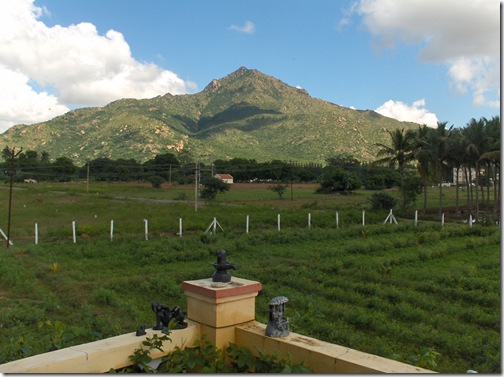
Spring Spiritual Journey 11.12.13...


  I am dedicated this page to my dad 'Chamundi' P.N.Viveakanandan 
[ 11-12-1944] , on his birthday Stating his 70 ...

I think this is right time to write about my dad and his " Spring Devotions Journey " ...


Nithyananda Mudaliar & Amaravathi
“Chamundi Sented supari” started by my grandpa P. Nithyananda Mudaliar , in 1955 at Karaikudi and Madurai, Now dad looking after in Madurai till now...
My shop @ west tower st, Madurai
My father’s start sabramalai yatra from 1969 to still now and include 2 time padayatra from Madurai too...
Near Nambiar guest house @ Sabramalai 16-01-1983
In 1969 our Padayatra Guru Sevanthirajan (late) told to my father, about his dream “ a small boy came from  dean forest , saying  “you are going somewhere .., I am here why you are not see me ”,  my father said ‘As your dream , Phazamudeer Solai nearby forest to us , so small boy may be lord Muruga’. From that year to till date we are doing puja and also grand feast on last Sunday of karrthi tamil month (December) and then our Guru ji stated “Phazamudeer Solai Thiru Murugan Bhaktha Sabhai” ( Chamundi  group ) my father is active member in this …

1975 onwards my grandpa doing annadanam in thiruchendur every year Sasti. In 1979  Meenakshi temple priest Mr.Sankara patta(late) asked my father “1st time our Temple stating 6day kanda sashti at  murugan in Meenakshi inner parakaram ,Take one day ”, my father accept , every year 3 day Sasti ours ..
My dad 50 Birthday @ PazhamudirSolai
Earlier 1983 In PazhamudirSolai temple muddy slop between road and temple , devotees more afflicted while rain , Our “ Phazamudeer Solai Thiru Murugan Bhaktha Sabha ” built 18 steps from road to temple as remembering Sabramalai .. This is first change atmosphere in Pazhamudircholai … Now only 6 steps are there ....

Last before Thirupparamkunram Murugan  kumbabishekam for vallabha ganapati  my father Painted and repair gopuram ..


மீனாட்சியம்மன் கோயிலில் அம்மன் சன்னிதி வாயிலின் வழியாக உள்ளே சென்றோமானால் அஷ்ட சக்தி மண்டபம் இருக்கும். அதைத் தாண்டியவுடன் ஒரு பெரிய மண்டபத்தில் ஏராளமான பூக்கடைகள் தென்படும். அதற்கும் அப்பால் ஒரு கோபுரவாசல். அதைத் தாண்டிச் சென்றால் ஒரு ஆறுகால் மண்டம இருக்கும். மிக அழகிய தூண்களில் உயிரோட்டமுள்ள சிலைகள் இருக்கும். இங்குதான் குறவன் குறத்தி சிலை என்ற புகழ்பெற்ற சிலைகள் இருக்கின்றன.
    இந்த மண்டபத்துக்கும் அடுத்தாற்போல இன்னொரு கோபுரவாசல். அதையும் தாண்டிச் சென்றால் பொற்றாமரைக் குளம் வரும். அந்தக் கோபுர வாசலின் இருபக்கங்களிலும் விநாயகர், முருகன் சன்னிதிகள் இருக்கின்றன.
    விநாயகர் சன்னிதியில் இருப்பவர் நர்த்தன விநாயகர்.

Meenakshi Temple my dad while crossing Iruttu Mandapam, he will ask himself   "Why Ganesa and Subramanian idols right and left corner , No gopuram but only having  granite pillar’s structures ?"


Mudali Mandapam Iruttu mansapam [ old ]


Mudali Mandapam
 Madurai Meenakshi Temple kumbabishekam fixed 7 July 1995 , that time Temple PWD  engineer Mr.Sridaran sir , down very amusing job to getting donor to help for kumbabishekam  , he also ask my dad to renovate Iruttu Mandapam . At that time only we came to know that is “Mudali Mandapam”.This was constructed by Kadanthai Mudaliar in 1613 

Old painting


'Dream came true to .. ', my Dad  accepts to do renovate but  he requested to  “Build new small gopuram to Ganesa and Subramanian idols”. Mr.Sridaran sir told “i will try to get permission from temple endowment board” and he give order to renovate Iruttu Mandapam [Mudali Mandapam].


Now I am proudly say to world… " My dad name also in Meenakshi Temple history to Build two small gopuram and painted Mudali Mandapam . I think now this is last gopuram to build in Meenakshi Temple too .."


Chamundi Vivekanandan
[Pazhamutirsolai Thiruarul Murugan Bhaktha Sabhai]
Chamundi Supari
New 41 old 20/3 West Tower Street ,Madurai -625 001
Cell: 94424 08009 , Shop: 0452-2345601


Lot of other thing to say  .. about Meenakshi Wedding Feast....North Aadi streets idols.... i will Update soon ...


Loving Son.....
Harimanikandan .V
ஹரிமணிகண்டன்

                 
ஓம் சிவசிவ ஓம்
Dr.Mystic Selvam Om Shiva Shiva Om Mp3                  
Be Good & Do Good


Friday, December 6, 2013

சும்மா இருத்தல்


அன்புடையீர்

    நாம் கண், காது, மூக்கு, நாக்கு, தோல் முலம் பார்த்தல் ,கேட்டல், வாசனை சுவை மற்றும்  உணர்வு முதலியவற்றை அறிந்து கொல்கிறோம் . எந்த 5 குதிரைகள் கட்டிய வண்டியில் பயணித்து கொண்டுள்ளோம். இந்த குதிரைகளை அடக்காமல் அதன் கயிறுகளை அவிழ்த்து விட்டுவிடுங்கள் . பின்னர் வண்டி என்கிற மனம் அசையாமல் ஆராயாமல்  சும்மா நின்றுவிடும் . சும்மா இருக்கும் , இது ஒரு எளிய வழி சும்மா இருப்பதற்கு....


       சும்மா ஆராயிச்சி அற்று இருந்தால் ஒருமை நிலை ஏற்படும் . மற்றும் ஒன்று என்று இல்லது போனால் மரண  பயம் அற்று போகும் . முழு திருப்தி நிலை வந்துவிடும் . அறிவு முழுமை அடையும் . தேடுதல் அற்று முழுமை அடைந்தால் இந்த உடம்பு தானே மறைந்து விடும். எனவே ஆராய்ச்சி அற்று சும்மா இருப்பதே சுகம் .


        இதை தேடுகிறேன் அதை தேடுகிறேன் ஆன்மீகத்தை தேடுகின்றேன் இறைவனை தேடுகின்றேன் என்னை தேடுகின்றேன் என்ற எந்த தேடுதலும் இல்லாமல் சும்மா இருந்தால் சுகம் . தானே தானாய் தானே எல்லம்மாய் தானே தானாய் ஆவது  ஆகும் .

       இந்த உலகம் முழுவதிலும் நீங்கள் மட்டும் இருப்பதாக வைத்துக்கொள்ளுங்கள். அந்த நிலையிலேயே பழகுங்கள் யார் தன்னிடம் வந்தாலும் அது தானே என்று எண்ணி நடந்து கொள்ளுங்கள் பிறகு என்ன நடக்கிறது என்று அனுபவித்து தெரிந்து கொள்ளுங்கள்.


......உயிர். 


TRY TO BE IN SUMMA IRU STATE BY SURRENDERING OUR-SELF TO THE SUTHASIVAM AND PRAY SUTHASIVAM TO TAKEOVER OUR-SELF TO GIVE DEATHLESS LIFE.

Thank to: Dr Dheena Dayalan : https://suthasivam.blogspot.com/

Thursday, December 5, 2013

Fear

பயம்
அன்புடையீர் 

                        உலகத்திலே பயம் என்ற ஒன்று நம் எல்லாரிடத்திலும் எல்லா நேரங்களிலும் உள்ளது . உதாரணமாக இவனால் என்ன வம்பு வருமோ ...,இதை சாபிட்டால் அந்த நோய் வருமோ ..., மகன் பள்ளிக்கு போனானே போய் சேர்ந்தானோ ... இப்படி எப்போதும் இதை கண்டால் பயம் அதை கண்டால் பயம் என்று  பயந்து கொண்டே இருக்கிறோம் . பயத்தில் பெரிய பயம் மரண பயம். ஒருவன் தன்னை பயத்தில் இருந்து காத்து கொள்ள கடவுளை நாடுகிறான் . கடவுளை அதிகம் வேண்டுபவர் அதிகம் பயந்தவராவர் . கடவுள் அதிகமான சக்தி வாய்ந்தவர் பயம் அவரிடம் ஒன்றும் செய்ய முடியாது என்று ஆழ் மனதில் நம்பிக்கை உடையவராக இருப்பார் .
                    பிரபஞ்சமே இறைவனாக ஆன்மாவாக இருப்பதை அறிந்துவிட்டால் பிரபஞ்சத்தில் உள்ளவை அனைத்தும் இறைவன் என்று புரிந்துவிடும்.அவ்வாறு தெளிந்துவிட்டால் இன்பம் துன்பம் இரண்டுமே இறைவன் என்று தெரிந்துவிடும் . இன்பம் துன்பம் என்ற முகமூடியை கொண்டு நம்மை ஏமாற்றுகிறான் என்பது புரிந்துவிடும் . இதனால் மனதில் பயம் என்னும் சலனம் கொஞ்சம் கொஞ்சமாக தெளிந்து சலனமற்ற நிலைக்கு வந்துவிடும்.
                  இனி கடவுளை வேண்டுவது குறைந்து விடும் . கடைசியில் வேண்டுவது நின்றே போய்விடும் . கடவுள் நம்மை காப்பவர் கருணையே வடிவானவர் அவரால் நாம் நஷ்டமடையோம் என்ற உண்மை தெரிந்தவுடன் வேண்டுதல் இல்லாமல் போய்விடும் . எல்லா நிகழ்வுகளும் நன்மைக்கே என்ற தெளிவு ஏற்படும் . எல்லாம் பகவான் என்று தெளிந்தவுடன் மன சலனம் முழுமையாய் மறைந்துவிடும் .பயம் அகன்றுவிடும் . கடைசியாக மரண பயமும் அகன்று போகும் .
                மரணத்தை கொண்டுவரும் நோய் ,விபத்து ,மூப்பு போன்ற எல்லாமே பிரபஞ்ச பொருள்கள் தான் . பிரபஞ்சம் என்பது இறைவனாகும் . இறைவனால் துன்பம்  எதுவும் வராது என்ற தெளிவு வந்துவிட்டால் , சலன மற்ற  நிலைக்கு வந்துவிட்டால் ,எண்ணம் அற்ற நிற்குண நிலை வந்துவிட்டால் , மரண பயத்தை கடந்து  விட்டால் மரணமில்லா பெறு வாழ்வை அடையலாம் .

           ஆகையால் பயமற்ற ,எண்ணம் அற்ற, நிற்குணத்தில் சலனமில்லாமல் சும்மா இருக்க பழகுவோம் .


......உயிர். 


TRY TO BE IN SUMMA IRU STATE BY SURRENDERING OURSELF TO THE SUTHASIVAM AND PRAY SUTHASIVAM TO TAKEOVER OURSELF TO GIVE DEATHLESS LIFE.

Thank to: Dr Dheena Dayalan : https://suthasivam.blogspot.com/

Tuesday, December 3, 2013

Agasthiyar guru pooja ...


Agasthiyar guru pooja 

Sirumalai Hill near Dindigul 
22-12-2013

Cont:
-98425 69344 ,99428 87641


Sunday, December 1, 2013

Why meditate in a cave ..

Why meditate in a cave?

Dieng Plateau Telaga Warna
During my three months of travel in India and Indonesia, I’ve visited and meditated in a few caves that renowned yogis or ascetics have meditated in.

Why would anyone meditate in a cave?

Teachers say that because the temperatures are moderated in a cave–it’s cool in the summer and warm in the winter, it’s a comfortable way to meditate in nature. Sounds from the outside world are shut out. And you are inescapably alone in one. I mean, check out the ones below from Indonesia. They are really just for one person. So you can be in comfortable solitude in nature, protected from the elements.
Sounds great in theory, right? But meditators have reported online that meditating in a purely natural cave isn’t so pleasant, since you’ll be sharing it with critters and dirt, if you can find a vacant cave during high season in the Himalayas at all.
So there must be other, non-practical reasons for meditating in a cave. One spiritual reason is that when you meditate in a cave where others have meditated, they say that you can still feel their energies.
Totally hippie-dippie fairytale or is it for realz? You’ll have to visit a meditation cave for yourself to decide.
As for me, I meditated in a few caves in India and visited a few meditation caves in Java. To be frank, the reason why I am even writing about meditation caves is that I had one of my deepest and complete meditations in one of two famous meditation caves in Tiruvannamalai.
Maybe it was because the night before I had spent it on top of the mountain or maybe it was because of the time of year, since I was visiting during the ten days’ celebration period after the Karthigai Deepam, the biggest festival in Tiruvannamalai for the year. But once I sat in the cave, I was still.
Keep reading to find out my number one practical reason for meditating in a cave in India.

Meditation caves on Arunachala Mountain in Tamil Nadu, India

The two well-known meditation caves are known as Virupaksha and Skandashram on the Arunachala holy mountain the South Indian state of Tamil Nadu.
The Sri Ramana ashram maintains both of them, because Sri Ramana Maharishi–an acknowledged enlightened being–spent many years meditating in both of these caves as well as in other caves on the same Arunachala mountain.
Both Skandashram and Virupaksha are natural caves that have been added onto: they are both enclosed compounds now, so current meditators don’t have to worry about leaks or critters.
In fact, around Skandashram, there is even a natural mountain source for spring water behind the cave compound under a huge tree. Usually, the source is covered by a flat stone, which you can easily remove (see below). This is not from a natural spring but from rain runoff that passes through the interior of the volcanic rock mountain. Outside of the cave compound, the water gathered in a small pool.
Natural Mountain Spring behind Skandashram on Arunachala Mountain
Further down from the Skandashram cave compound an ascetic showed me another mountain water source. He was washing his hands, not drinking from it, I noted. You can kinda see it behind him in this photograph below.
Renouncer in front of natural spring at Tiruvannamalai
Since the biggest holy festival day for Karthigai Deepam had just passed when I was there, I had personally seen the evidence of many pilgrims peeing on the mountain. I was pretty sure the urine went the same way as rain does, so when I tasted the water, it could have just been my imagination, but it faintly smelled of urine. So even though I wanted to fill up my water bottle like the other pilgrim meditators, I refrained.
If you continue hiking from the Ramana Ashram beyond the Skandashram, you’ll find your way to the Virupaksha cave a bit lower on Arunachala.
The way to Virupaksha Cave

The Virupaksha Cave is said to be in the shape of the word ‘om’, but it felt just like a round cave to me. In the middle of the cave stands a pile of sacred ash–vibhuti–from the body of the first ascetic who meditated here in the 13th century, after whom the cave is named, Virupaksha Deva. Later on, Sri Ramana Maharishi meditated here for 16 to 17 years.
Doorway to Virupaksha Cave on Arunachala Mountain
If you get a chance, try meditating in Virupaksha cave. It’s a cave with history that left a deep impression on me.

Meditation Caves on the Dieng Plateau in Central Java, Indonesia

Misty Telaga Warna on the Dieng Plateau, Central Java, Indonesia
On the Dieng plateau in Central Java were a few caves around the Warna Lake / Telaga Warna where ascetics / rishis used to meditate. Over 2000 meters above sea level in volcanic mountains, the name of the plateau in Old Javanese means “Abode of the Gods.” Along with meditation caves, scattered around the plateau are eight small 8th to 9th-century temples dedicated to Shiva, now sitting among rice and potato fields. According to scholars, as many as 400 temples were excavated at Dieng Plateau and records show that it was an important sacred center for quite some time.
When I visited Dieng Plateau I had assumed that these caves were contemporaries with the Hindu temples, but now that I’ve read up on these caves, I found out that these caves are used even today. The ex-President Suharto came by helicopter from Jakarta to meditate at the Ratu cave by the Warna Lake and had met the then Australian Prime Minister in one of Dieng’s limestone caves in the 1970s.
Outside of the caves are statues of the rishis / ascetics in miniature.
Gold Rishi Statue around Telaga Warna on the Dieng Plateau
Actually, I had assumed at the time that the statues were of the rishis, since one of them (see photo above) is sitting in lotus posture–a classic meditation posture–but they could have been guardians of the caves as well.
The caves are behind bars, which I now have found out that you can ask the caretakers to open. I didn’t see anyone around when I was there, but I suppose you can ask the ticket sellers to open the gates for you. Below you’ll see how small and narrow these natural meditation caves are.
Dieng Plateau Meditation Caves
Rishi Meditation Cave on Dieng Plateau, Java, Indonesia

In this Semar Cave / Gua Semar above, the Javanese deity Semar, who although is a clown figure is said to be more powerful than all the other gods, is said to appear to seekers who fast and meditate here for days.
Since I did not meditate in these caves, I can neither confirm nor deny this. If you go, sit in these caves for a while, and tell me what you experienced.

So, really, why would you meditate in a cave?

In my own practical experience there are no mosquitoes or flies in caves, which makes a critical difference in India and Indonesia. I can’t tell you how many times I’ve been irritated and distracted by mosquito bites while meditating; I find it easier to meditate on a bus with loud music and smokers, bouncing over potholes on a dirt road, than with a mosquito in my meditation corner.

Have you ever meditated in a cave? What was your experience? Please share them.


நல்ல அறிவுரைகளை - மிஸ்டிக் செல்வம்


மிஸ்டிக் செல்வம் அவர்கள் பல ஆராய்ச்சிக்குப் பிறகு , தெரிவித்த சில நல்ல அறிவுரைகளை கீழே கொடுத்துள்ளேன். 

சனிக்கிழமையன்று நவதானிய அடைதோசை நல்லெண்ணெய் விட்டுச் சாப்பிட்டால் நவக்கிரகங்கள் திருப்தியடையும்.இதனால், அஷ்டமச்சனி, கண்டகச்சனி, ஏழரைச்சனி முதலியவற்றின் தாக்கம் குறையும்.
 
தினமும் ஏதாவது மந்திர ஜபம் செய்துவிட்டு நமது தினசரிக்கடமைகளைத்
துவக்கவேண்டும்.அப்படி மந்திர ஜபம் முடிந்த வுடனே ஒரு தம்ளர் இளநீர்
அருந்தினால் நாம் ஜபித்த மந்திர அலைகள் நம் உடலுக்கு உள்ளேயே பதிவாகிவிடும். 

கடலை எண்ணெய் குடும்பத்தில் கலகத்தை உண்டாக்கும்.எனவே, குடும்பத்தில் கடலை எண்ணெயைப் பயன்படுத்துவதை பெருமளவு குறைப்பது நல்லது. ஏனெனில், இந்தக் கலகம் குடும்பங்கிளிடையே பரவி, நாடு முழுக்க கலகத்தை உருவாக்கும்.
 
பாமாயில் (பனை மர எண்ணெய்) சமையலில் கலந்து சாப்பிட்டால் துர்தேவதைகள் உடலுக்குள் புகுந்துவிடும்.தொடர்ந்து பாமாயில் பயன்படுத்தினால், நாளாவட்டத்தில் நமது கை கால்களை முடக்கிவிடும்.
 
தேங்காய் தொடர்ந்து உண்டால் ( இளமுறி எனப்படும் இளம் தேங்காய்) தாது விளையும்.ஈரலுக்கு வலிமை கொடுக்கும்.குடலிலும், வாயிலும் உள்ள புண்களை ஆற்றும். 

நம் கர்மாவை மாற்றக்கூடிய சக்தி அன்னதானத்திற்கு உண்டு. வீடு, வாசல் இல்லாத அனாதைகளுக்கு அன்னதானம் செய்வதே நிஜமான அன்ன தானம் ஆகும் 
வீடு மற்றும் தொழிற்சாலைகளில் மற்றவர்கள் விட்ட பெருமூச்சு நீங்க வேண்டுமானால் சாம்பிராணிப்புகை அல்லது 60 வகை மூலிகை சேர்க்கையால் செய்யப்பட்ட மூலிகைப்புகை போடுவது நல்லது.

காலில் அணியும் மிஞ்சி பெண்ணின் காமத்தைக் குறைக்கும்.மூக்குத்தியும்
மோதிரமும் சுவாசக்காற்றிலுள்ள விஷகலையை நீக்கும்.
 
கோதுமை உணவு சாப்பிடுபவர்கள் வெண்ணெய் அல்லது நெய் சேர்த்துக் கொள்ளவேண்டும். இல்லாவிட்டால் கோதுமை உணவினால் தீமையே (கண் எரிச்சல், மலச்சிக்கல்) ஏற்படும்.
 
கறுப்புத் துணிப் பக்கம் காகம் வருவதில்லை.வெள்ளைத் துணி மற்றும்
நீலவெளிச்சத்திற்கு கொசுக்கள் வருவதில்லை.தூய ஆடைகள் பக்கம் கொசு அண்டுவதில்லை. 

புதன் கிழமைகளில் நீங்கள் எவருக்கும் ஆடை, ஆபரணங்கள், பொன்,பொன் ஆபரணங்கள் இரவலாகக் கூடத் தரக்கூடாது.அப்படித் தந்தால்,உங்களது செல்வ வளம் உங்களை விட்டு நீங்கத் துவங்கும். ஆனால்,பிறரிடமிருந்து வாங்கலாம்.அப்படி வாங்கினால், நீங்கள் செல்வச் செழிப்பை அடைவீர்கள்.
வெள்ளி,செவ்வாய்க் கிழமைகளில் யாருக்கேனும் நீங்கள் நெல், அரிசி, கோதுமை மற்றும் உணவுப்பொருட்கள், பதார்த்தங்கள் தரக்கூடாது. பணம், முன் ஜாமீன் கொடுக்கக்கூடாது. அப்படிக் கொடுத்தால், வாங்கியவர் வளமடைவார்.

கார்த்திகை,மகம்,உத்திரம்,சித்திரை,மூலம்,ரேவதி நட்சத்திரங்களில் எவருக்கும் எதையும் கொடுக்கவும் வாங்கவும் கூடாது.அப்படிச்செய்தால் வறுமை உங்களை வந்தடையும் என்பது ஐதீகம்.

வேப்பமரத்தின் கீழ் உட்கார்ந்தால் அந்தக் காற்றில் அயோடின் இருக்கிறது. அது நமது உடலை சுத்தப்படுத்துகிறது. அரச மரத்தை எடுத்துக்கொண்டால் அதனுடைய குச்சி இருக்கிறதல்லவா சுள்ளி, அதில் மின் காந்த அலைகளே இருக்கிறது என்று ஆராய்ச்சியில் கண்டுபிடித்திருக்கிறார்கள். அதனால்தான் அரச மரத்தை சுற்றிவந்தால் ஆண்மைத் திறன் வளரும். கர்ப்பப்பை பலவீனமாக இருந்தால் பலமடையும். ஏனென்றால் அந்தக் காற்றிற்கு அவ்வளவு சக்தி இருக்கிறது.

Thank : 
https://www.livingextra.com/

Monday, November 25, 2013

Ganesan – THE INEXHAUSTIBLE ELIXIR : ‘ RIBHU GITA’

HPIM9564


This is from a talk given by Ganesan on 22 January 2009


In 1923, intoxicated by spiritual fervour, G. RAMASWAMI PILLAI, ran away from the College without writing the final Degree examination. He came straight to Arunachala to spend quiet moments with Bhagavan Ramana. He had met the Maharshi at Skandashram in 1917 when he had completed school studies. He stayed for ten months in all peace, eventhough he had not spoken a single word with Sri Bhagavan. He went back to his native place, only to return to Sri Ramanasramam, and made it his permanent home ! The lustrous gardens of the Ashram, its cocoanut groves and the rock-path from the Ashram to Skandashram on the Hill will silently ever proclaim the greatness of Ramaswami Pillai !
He said : “ During my stay of those ten months at the Ashram, we often used to read the ‘Ribhu Gita’ . There would usually be six or seven of us, including Bhagavan, and we would each read a few verses in turn, going all the way through the book until we had finished it. Bhagavan used to tell us – and on occasions we also used to feel and experience it – that to read the ‘Ribhu Gita’ is to be in‘samadhi’ . Viswanathan, Muruganar, Chinna Swami and anyone else who was present would all squat together in a circle with Bhagavan and take it in turns to read. No other book was read so often!”
The ‘Ribhu Gita’ is the Tamil version of the sixth part of a large Sanskrit treatise : “Shiva Rahasya ” , consisting of 1924 verses. Centuries back, a great scholar-adept, Bhishu Sastri, also known as Ulaganatha Swami, translated it into Tamil verses. Lord Shiva gave upadesa to Sage Ribhu, which the Sage fully grasped and was established in the Supreme State of Self-Abidance. Sage Ribhu realizing the worth of that direct teaching, started preaching it to his earnest disciples.
The ‘Ribhu Gita’ contains that precious upadesa given to his chosen disciple, Nidaga, dealing with the Supreme Truth of the non-dual Brahman – the One without a second. Nidaga being a great intellectual was unable to grasp the direct teaching well enough to attain Self-Realisation; and, returned to his native town to practice ceremonial religion.Out of compassion for the beloved disciple, Sage Ribhu, one day disguised himself as a very old village rustic and went to Nidaga’s town. Finding the disciple engrossed in watching a Royal procession, Sage Ribhu enquired Nidaga as to what was the cause for the bustle. Not recognizing his Guru, Nidaga answered that the King was going in a procession.

“Oh ! It is the King! He goes in procession ! But where is the King ?”

“There, on the elephant,” answered Nidaga.

“You say the King is on the elephant. Yes ! I see the two,” said the rustic, “but, which is the King and which is the elephant ? “

“What !” exclaimed Nidaga. “You see the two, but do not know that the man above is the King and the animal below is the elephant ? What is the use of talking to a man like you ?”

“But,” persisted the rustic, “you said ‘above’ and ‘below’ – what do they mean ?”

“You see the King and the elephant, the one above and the other belowand yet you want to know what is ‘above’ and ‘below’ ? “ shouted Nidaga, losing all patience.

 “Bend forward and I will show you !”
The old rustic did as he was told, and Nidaga got on his shoulders, saying, “Know it now. I am above as the King, and you are below as the elephant. Is that now clear to you ?”

“No, not yet,” answered the rustic. “The ‘King’, the ‘elephant’, ‘above’, ‘below’ –- are all very clear now. 
But pray, tell me what do you mean by “I ” and “You ” ? ”

When Nidaga was thus suddenly confronted with the problem of defining the “You ” apart from the “I ”, Realisation of the Supreme Truth dawned on him.

 Jumping down, Nidaga fell at his Master Ribhu’s feet, saying, “Who but my venerable Guru Ribhu could have thus drawn my mind from the superficialities of mundane, physical existence to the True Being of the Supreme Self ! “

*****************************************************
Bhagavan Ramana used to say that the chanting of the ‘Ribhu Gita’ was itself sufficient to induce in the mind the direct perception of the Supreme Truth.

We owe a deep sense of gratitude to an old devotee of Sri Bhagavan who was plunged in its study and who was guided by Bhagavan for making a short version for daily chanting.In fact, he made three varieties of selection. First, he selected eight verses from out of 1924 total verses; then 27 verses and finally, 122 verses. He got the stamp of approval for doing so from Bhagavan. In 1980, when he was staying at the Ashram, for the benefit of those who do not know Tamil, he translated the 122 verses-selection into English, which was published, with the title : “The Essence of Ribhu Gita”, by the Ashram.

Who is this fortunate devotee ?

Prof. N.R. Krishnamurti Aiyar , Physics Professor, had his first ‘darshan of Bhagavan Ramana when he was a schoolboy of sixteen years. The steady look that Bhagavan gave him at that tender age, he cherished all his life. But, as a result of his extensive studies in modern science, he became an atheist. He was convinced that the existence of evil and misery in the world was incompatible with the existence of a benevolent God !
So, when he came to see Sri Bhagavan in 1923, he put the following question to him : “You are now in this state [ stiti] . What will be your future stiti (meaning, state after death) ?” Bhagavan did not reply immediately, but merely looked at him steadily for a long time. Bhagavan put him a counter question :
“You say stiti [ state ] . What exactly do you mean by that ?”
Prof.N.R.K. at first thought that Bhagavan was through silence evading his question. But, when he heard his counter question, he began to think. He knew that ‘stiti’ could not apply to the body, which is either burnt or buried. But, if he said that he meant the ‘mind’ , Bhagavan would turn round and ask him to define the mind, which he could not easily do. All the while, Bhagavan was looking at him silently and steadily. The Professor could not stand that penetrating look.
He lost his sense of body-consciousness. He was not conscious of his body or the world outside. After some time, when he regained his original poise, he fully prostrated to Bhagavan and shed tears of joy ! From that moment onwards he surrendered himself completely to Sri Bhagavan. He became a “permanent slave of Bhagavan”, as he put it ! From then on, every minute of his stay with Bhagavan became very precious, extraordinarily important and fully meaningful.
During such stays at the Ashram, he noticed the importance given for the reading of the ‘Ribhu Gita’, in which Bhagavan too was fully involved. He heard Bhagavan say that the very recital itself of the ‘Ribhu Gita’ led one to spontaneous abidance in the Self. Prof.N.R.K. told V. Ganesan that Bhagavan encouraged him to study the ‘Ribhu Gita’ as hissadhana (spiritual practice).
Being a brilliant Physicist he admired the scientific precision and logical accuracy of the text. As he was an advanced spiritual adept as well, he could strike a remarkable balance between science and spirituality – not just theoretically but practically too.
As sincere aspirants, we owe a deep sense of debt and gratitude to Prof.N.R. Krishnamurti Aiyar for the great precision and spiritual insight with which he has been able to capture the essence of the original text.
* * * * * * * * * * * * * * *
We will be ‘sharing’ in the course of a few sessions, the beauty, brilliance and beatitude of the ‘Ribhu Gita’ .
Let us begin with a benedictory prayer, so devotedly voiced by Sage Ribhu :
Salutations to that Sat-Chit-Ananda, the SELF.
Salutations to that undisturbed Peace, the SELF.

Salutations to that integral Perfection, the SELF.

Salutations to that eternal Awareness, the SELF.
Salutations to that qualityless, blemish-free SELF.
Salutations to that indivisible Unity, the SELF
Salutations to that pure Sky of Consciousness, the SELF
Salutations to that Supreme Integral Existence, the SELF.
************************************************

V. Ganesan Bio
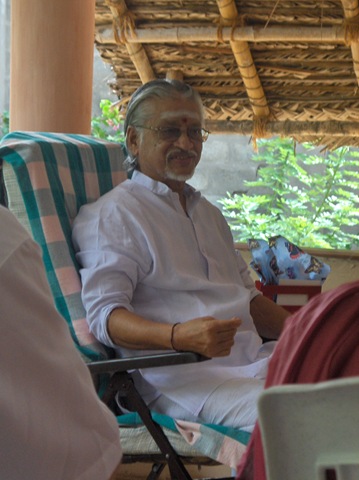
Born in 1936, up to the age of 14 years old, Ganesan grew up in the presence and proximity of Bhagavan Sri Ramana Maharshi. His sacred memory of the Great Master is rich in its content; and, even at that tender age he could see Sri Ramana as the greatest compassionate human being.

On April 14, 1950 – the day the Great Master chose to leave the body – the adolescent Ganesan stood near the entrance to the room where Sri Ramana was lying and was fortunate to witness the brilliant flash of Light that later moved towards the top of the Holy Hill – Arunachala.

Ganesan obtained a Master’s Degree in Philosophy; and, then came to stay permanently at “Sri Ramanasramam,Tiruvannamalai” – the sacred abode of Sri Ramana Maharshi – taking care of the
Old Devotees of Sri Ramana. He did it as his sole sadhana (spiritual practice). In that way, he collected the reminiscences of Sri Maharshi from those Old Devotees which have never before been recorded.
HPIM9549
His close contacts with sages and saints, including Swami Ramdas, Mother Krishnabai, J. Krishnamurti, Nisargadatta Maharaj and Yogi Ramsuratkumar, he says, have deepened and widened hisunderstanding of the ‘Direct Teaching’ of the Maharshi. However, he feels himself to be an insignificant ‘dust’ at the Holy Feet of Bhagavan Ramana.

He has travelled widely and spread the ‘Direct Teaching’ of Sri Ramana Maharshi, in its prestine purity, wherever he was invited to give talks.

He has authored a few books on the life and teaching of Bhagavan Ramana. Among others, “Purushothama Ramana”, “Be the Self”, “Moments Remembered”, “Direct Teaching of Bhagavan Ramana” and “Practising Self-Enquiry” , are very popular.

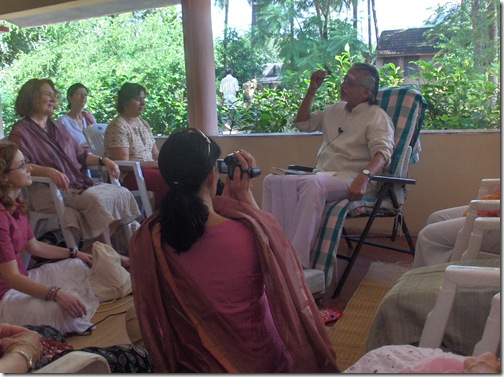
At the veranda of his cottage – “Ananda Ramana” – he meets earnest seekers, every Monday and Thursday, between 9.30 and 11 a.m., sharing with them the spiritual treasure entrusted with him by all these holy and sacred souls.