Wednesday, October 8, 2014

Hindus' rituals Amazing Knowledge in Botany!!!

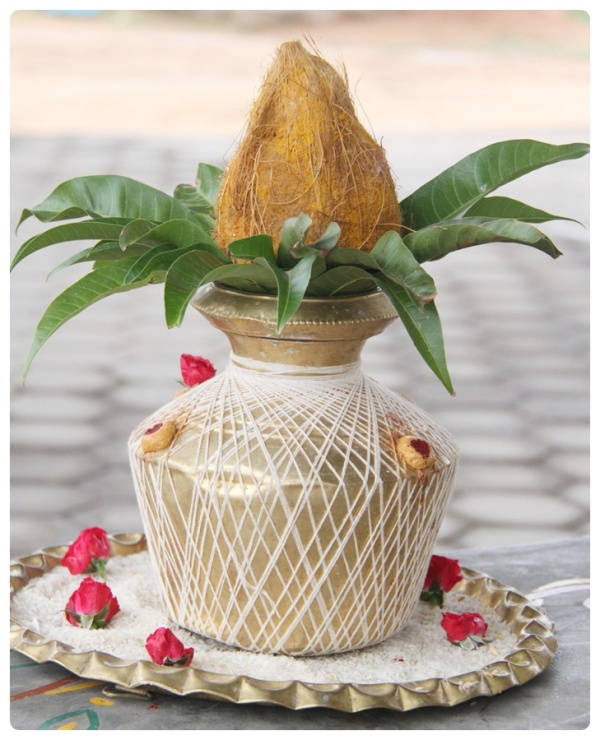
purnakumba
Purna Kumbha with mango leaves, Coconut and rice.

Research writer:-- London Swaminathan
Post No:--1184; Dated 20th July 2014.

*Vedic Index mentions about 74 different plants.
*Valmiki Ramayana Index gives a list of about 170 plants.

Hindus use a lot plants in their day to day religious rituals in their houses as well as temples. They have got an amazing variety of plants .This article is about the plants used only for “religious rituals”. Hindus will comfortably beat any community or race in the world. I can’t list all the plants here. This is only a sample survey.

If it is a medical treatise like Charaka in Sanskrit or Agastya in Tamil I would not be surprised. In 2000 year old Sangam Tamil Literature a Brahmin poet by name Kabilar gives a long list of 99 plants of the Tamil landscape at one go in Kurinjippattu. But it is not a religious literature. But the same poet sings about offering Patram,Pushpam, water to god in Purananuru verse 106.


Following is the list of some important plants. The numbers within brackets are used for counting:--

Tulsi (1) and Bilva (2) are used in the houses and temples every day.

Peepal (3)tree (Ficus religiosa) and Sami  (4)tree(Prosopis cineraria)  are used to produce fire. In Vedic days there was no match box. Either they used the fire from the permanent fireplace in the houses or used an Arani wood. It is made up of Peepal and Sami Trees. A churning device made up of strong peepal wood will churn the sami wood to kindle fire. This has been used from the Vedic days.

Banyan (5)tree( Vata Vrksa) and Fig (6)tree (Udumbara) are mentioned in Vishnu Sahasranamam along with the Peepal tree. Neem (7) tree also known as Margosa tree is used in all the village goddess temples in Tamil Nadu. It has got anti viral and anti bacterial properties. South Indians use it on the new year day.
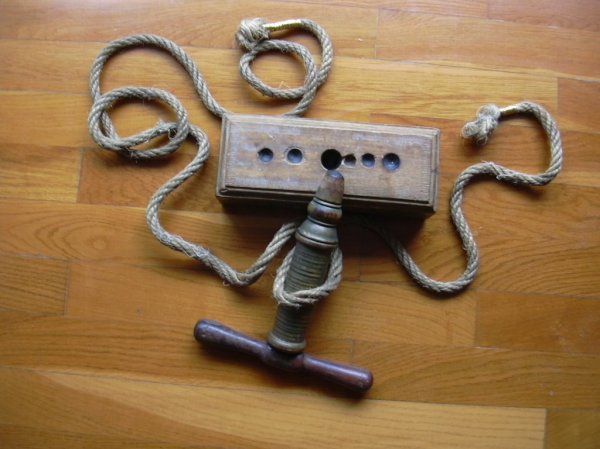
Arani Mantha
Vedic equipment to kindle fire (arani)

Two plants (8)Mango tree and (9)Plantain Tree (banana tree) are considered very auspicious. No religious function or festival is celebrated without these two. Mango leaves are used as festoons in weddings and Holy Pots are decorated with the leaves. Mango fruits are God’s favourite fruits. All parts of plantain tree are used in temple and home rituals and food. Plantain leaf cups are used (Donnai) in Vedic ceremonies. Coconut (10) is the most important ingredient in the temple offerings. Copra is offered in the homam.

In the Fire Ceremonies known as Homams, Havans, Yagas and Yajnas in Sanskrit, a lot of special woods or sticks are burnt with butter/ghee. The most important of these plants are Soma plant (11) and the peepal sticks. No one knew the identity of the soma plant yet. But foreign “scholars” have competed with one another in bluffing and fooling the Hindus (See my earlier article). Drug addicts described it as a narcotic and drunkards described it as an intoxicant. This is because they don’t see drinking or using drugs as a sin and they have been using it for long. In short their interpretations reflected their culture.

The wood or sticks used for Navagraha Homam or any Household are Arka/Erukku/ calatropis procera (12)Purasu (13), Karunkali (14), Arasu/Peepal, Aththi/Udumbara/Fig, Vanni/Sami,Nayuruvi (15)and Arukam (Durva) Pul grass (16).

spoons
Yaga spoons made up of Palasa wood

No Hindu priest will walk out of his hose without (17) Dharba grass in his Puja/ceremony pack. Hindus believe that Dharba is the most powerful and the holiest of all the grasses. All the ceremonies must be performed by wearing this as a ring (Pavitram) in the ring finger.

In the Homam to propitiate nine Planets (Nava Grahas), Hindus use nine different pulses or grains. Rice plays the most important part in the funeral rites as well as the wedding rites. If it is a funeral ritual, cooked white rice balls are used. Uncooked yellow coloured rice is used in all the auspicious functions. This shows Hindus did not migrate from any cold countries. They originated in the Indus -Ganges plains where (18) paddy was grown. Other ingredients used: Bamboo rice (19), Black gram (20)Horse gram(21), Lima Bean seeds (22), Millets (23), White Mustards (24),Black mustard (25) Sesame (26), Sugar Cane (27), Wheat (28), Green Gram (29), Karamani pulses/Cow peas(30).

I have written an article about use of sesame seeds from Vedas to Indus valley. I have written another article about Sugar cane Dynasty (Ikshwaku Dynasty and Indus Valley)
No funeral ceremony can be conducted without white rice and sesame seeds. This shows Hindus originated in the tropical India. Rice mixed with jaggery (unrefined sugar) is offered to God.

homadravyas5
Homa Dravyas (pulses and grains)

Plant from the Heaven
The one thing which I couldn’t explain scientifically is the Samudra Manthan (Churning of the Milky Ocean with the help of a mountain and a snake) in Hindu mythology. Though some people have given some explanations, they don’t justify all the 14 products that came from the ocean! One of the fourteen is (31) Parijatha tree (Coral Jasmine), the flowers of which are offered to the god. I How come this tropical plant came from the heaven? Or Have we identified it wrongly?

Spices
Hindus use the (32) cloves  (33)cardamom and (34) saffron to add fragrance to all their religious drinks. Turmeric (35) is the most auspicious colouring product that Hindus use.

Garlands
Garlands made up of (36)Rudraksha seeds and Tulsi seeds are worn by devotees. 10 to 15 types of flowers are used in the temple offerings. It differs from region to region. 37.Jasmine, 38.Marigold, 39.Lotus, 40.Hibiscus rosasinensis, 41.Nerium odorum, 42.Champak/Shenpakam and 43.Chrysanthemum dominate. 44.Roses are late arrivals in Hindu offering.

Probably India is the only country in the world named after a tree- (45)Jambu tree (Jambu dweepa). There are other dweepas (islands/continents) named after plants among the Sapta dweepas. But they are not used now. Orthodox Hindus in India do the Sankalpa ( religious vow) everyday in the name of Jambudweepa. Black coloured berries (Syzigium cumini) are offered to Lord Ganesh with (46) wood apple.
homa dravyas

Yaga spoons are made up of Palasa (47) wood. Sandal (48) wood is offered in Homa and sandal paste is a must for all religious ceremonies.


((I have a B.Sc. in Botany with Zoology and Chemistry as ancillary subjects. I have two M.A.s in Literature and History. So whenever I study any literature I always look for botanical references. What amazed me was the reference of innumerable plants in religious literature. Of course Bible also has references to many plants and there are some books on this topic. But the big difference between Hindus and other religions is that Hindus are still using innumerable plants in their day today life for religious rituals)).


List of Plants used by the Hindus:---

1.Tulsi plant 2.Bilva Tree 3.Peepul (Ficus religiosa) 4.Sami tree 5.Banyan tree (Ficus Indica) 6. Fig Tree 7.Neem Tree (Azadirachta Indica) 8.Mango Tree 9.Plantain Tree 10. Coconut Tree 11. Soma creeper (somalatha) 12.Erukku 13.Purasu 14.Karunkali 15.Nayuruvi 16.Arukampul grass 17.Dharba grass 18.Paddy 19.Bamboo rice 20.Black gram  21.Horse gram 22.Country Bean seeds  23.Millets 24.White Mustards  25.Black mustard 26. Sesame  27. Sugar Cane  28. Wheat  29. Green Gram  30. Karamani/Cow peas 31.Parijatham 32.Cloves 33.Cardamom  34.Saffron 35.Turmeric 36.Rudraksha Tree 37.Jasmine  38.Marigold 39.Lotus and its root 40.Hibiscus rosasinensis 41.Nerium odorum  42.Shenpakam /Champak 43.Chrysanthemum dominate.  44.Roses 45.Jambu Tree 46.Wood Apple 47.Plasa wood 48.Sandal wood

pavitra
Pavithram made up of Dharba grass.


 contact: swami_ 48@yahoo. com

Tuesday, September 30, 2014

ஆன்மீக சக்தி கொண்ட வன்னி மரம்! (Vanni Tree Special)

மீனாட்சி அம்மன் கோயிலில் உள்ளே வன்னி மரம்


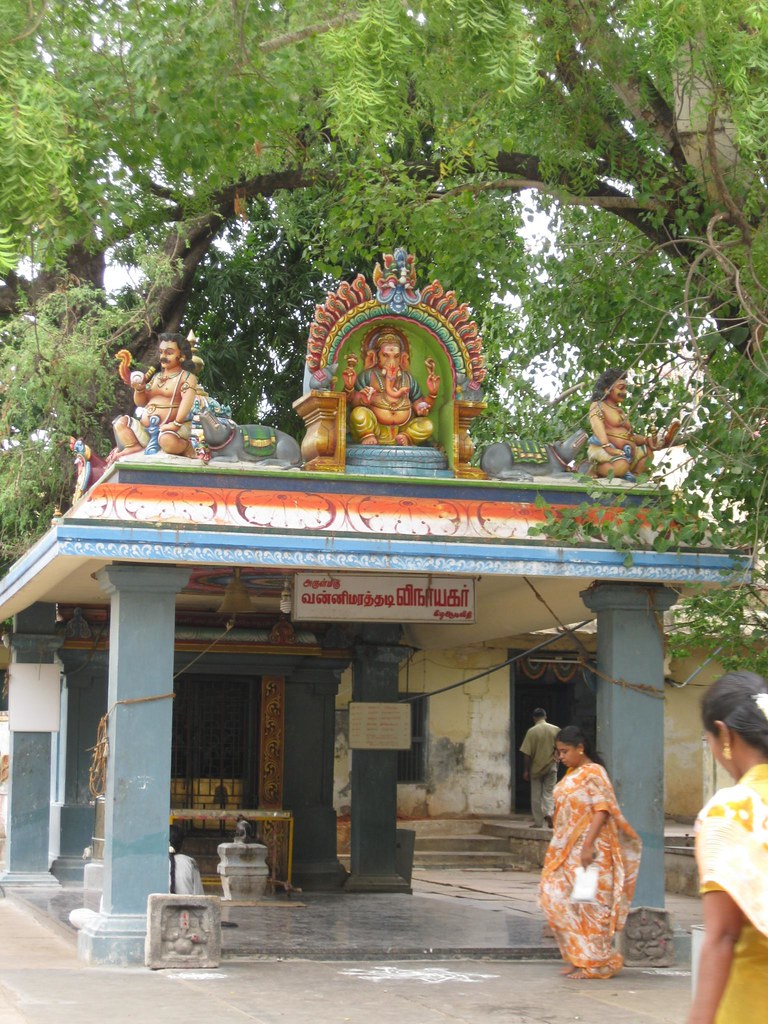
Pray at Vanni tree on vijayadasami (3/10/2014) VanniEswaran will fulfil your all wish.

வன்னி மரம் மிகவும் வசீகரமான மரம். இதனுடைய இலைகள் முத‌ல் அனைத்தும் சிறப்பு வாய்ந்தது. வன்னி மரம் பாலைவனப் பகுதியில் கூட வளரக்கூடியது. வன்னி மரம் என்று சொன்னாலே விருதாச்சலம் என்றுதான் அனைவருக்கும் ஞாபகம் வரும். விருதாச்சலம் விருதகிரி ஆலயத்தில் பழமையான வன்னி மரம் இருக்கிறது. இந்த வன்னி மரத்தின் இலைகளைப் பறித்துதான் அந்தக் கோயிலைக் கண்டினார்கள் என்று சொல்வார்கள்.

எப்படி என்றால், அங்கு விபசித்தி முனிவர் என்று ஒருவர் இருந்தார். அந்த முனிவர் அங்கேயே வாழ்ந்து அங்கேயே ஒரு கோயிலைக் கட்டிவிட்டு ஜீவ சமாதியும் அடைந்திருக்கிறார். அவர் என்ன செய்வாரென்றால், தினசரி வேலையாட்களுக்கு அந்த வன்னி மரத்தின் கீழ் உட்கார்ந்து வன்னி இலைகளை உருவி அந்த வேலையாட்களுக்கு கொடுப்பாராம். அவர்கள் எந்த அளவிற்கு உழைத்தார்களோ அந்த அளவிற்கு அது பொன்னாக மாறுமாம். ஒன்றுமே உழைக்காமல் சுற்றிக் கொண்டிருந்தால் அது இலையாகவே இருக்குமாம். கடினமாக வேர்வை சிந்தி அனைத்தும் செய்தவர்களுக்கு அத்தனையும் தங்கமாக மாறுமாம். இது வரலாற்றுச் சான்றுகளில் இருக்கிறது. கல்வெட்டுச் சான்றுகளில் இருக்கிறது. அப்படியொரு சக்தி இந்த வன்னி மரத்திற்கு உண்டு.


இன்றைக்கும், குழந்தைப் பேறு இல்லாதவர்கள், மனநலம் குன்றியவர்களை அந்தக் கோயிலிற்கு அழைத்துச் செல்லலாம். அங்கு இன்னமும் அந்த பழமையான வன்னி மரம் இருக்கிறது. அதற்குக் கீழே விபசித்தி முனிவருடைய உருவமும் இருக்கிறது. அதை வழிபட்டால் எல்லா வகையிலும் சிறப்புகள் உண்டாகும். இந்த வன்னி மரப்பட்டையினுடைய கசாயம் குடித்தால் குழந்தை பாக்கியம் உண்டாகும். குறிப்பாக ரத்தத்தை சுத்தப்படுத்தக்கூடிய தன்மை இந்த வன்னிக்கு உண்டு. வன்னி மரக்காற்று பட்டால் கூட மிகவும் நல்லது. அந்தக் காற்றிலேயே தொடர்ந்து இருந்தால் சுவாசக் கோளாறுகள் எல்லாம் நீங்கும்.

வன்னிக் காயை பொடி செய்து சாப்பிட்டால் மாதவிலக்குப் பிரச்சனை, அதிகமா ரத்தப் போக்குப் பிரச்சனையெல்லாம் தீரும். அந்த அளவிற்கு மருத்துவ குணம் அதில் இருக்கிறது. இதேபோல, இந்த வன்னிக்காய் பொடியை சாப்பிட்டால் விந்தணுக்களுடைய நீர்ப்புத் தன்மை திடப்படுத்தும். ஏனென்றால் நல்ல விந்தணு, கருவுறுவதற்கான விந்தணு என்றால், டி.என்.ஏ., ஆர்.என்.ஏ. நல்ல விதத்தில் இருக்க வேண்டும். நீர்த்துப்போன விந்தணுவில் இதெல்லாம் நல்ல விதத்தில் இருக்காது. மிகக் குறைவாகவும் இருக்கும். இந்தப் பொடியை தொடர்ந்து சாப்பிட்டால் விந்து கட்டும். கருவுறும் தன்மையை அதிகப்படுத்தும்.


திருச்சி மற்றும் கடலூர் மாவட்டத்தைச் சேர்ந்த வன்னிய சமுதாய மக்கள் வன்னி மரத்தைப் புனித மரமாகக் கருதுகின்றார்கள். வன்னிய சமுதாய மக்கள் மரணம் அடைந்தபின் வன்னிமரக்கட்டைகளின் மீது பூத உடலை வைத்து எரித்து சாம்பலாக்கும் பழக்கம் இன்றும் காண முடிகிறது.

இந்தியப் பாலைவனங்களின் தங்க மரம்’ எனச் சிறப்பிக்கப்படுவது வன்னி மரம். பாலைவனங்களிலும் வானிலை அதிகம் வறண்டிருக்கும் பகுதியிலும் தாக்குப்பிடித்து வளரக் கூடிய பசுமை மாறாத மரம் வன்னி. இதன் அனைத்துப் பகுதிகளுமே பயன்படுவதால், ‘கற்பகதரு’ என்றும் சொல்வார்கள்.

சனி பகவான் கோவிலில் வணங்கப்படும்வன்னி மரம் (PROSOPIS SPICIGERIA LINN) திருஞானசம்பந்தர் பாடிய தேவாரம் பாடல் :வம்பார் கொன்றை வன்னி மத்தம் மலர்தூவி நம்பா வென்ன நல்கும் பெருமான் உறைகோயில் கொம்பார் குரவு கொகுடி முல்லை குவிந்தெங்கும் மொய்ம்பார் சோலை வண்டு பாடும் முதுகுன்றே வன்னி மரத்தைப் பற்றி ரிக்வேதம், மகாபாரதம் மற்றும் ராமாயணத்திலும் கூறப்பட்டிருக்கின்றது. மார்ப்புச் சளியையும் இந்த வன்னிக்காய் பொடி எடுக்கும். இந்த வன்னி இலையை அம்மியில் அரைத்து அப்படியே புண் இருக்கும் இடத்தில் கட்டினால் அப்படியே சரியாகிவிடும். எல்லா மரத்தையும் கரையாண் அறிக்கும். ஆனால் இதை மட்டும் கரையாண் தொடாது. நெருங்கவே முடியாது. அப்படியென்றால் பார்த்துக் கொள்ளுங்கள் இந்த மரத்தினுடைய அமைப்பு எவ்வளவு வலிமையானது என்று. 
vruddhachalam top Sri Vruddhagireeswarar Temple – Vruddhachalam
பல ஆலயங்களில் தலவிருட்சமாக இருப்பதே இந்த வன்னி மரம்தான். விருதாச்சலத்தை எடுத்துக்கொண்டால் வன்னி மரம்தான் தலவிருட்சம். இராம பிராண் இராவணை நோக்கி போர் தொடுக்கப் போகும் முன்பாக வன்னி மரத்தை தொட்டு வணங்கி வலம் வந்து சென்றதாக ஐதீகம். அதேபோல, வள்ளிக் குறத்தியை மணப்பதற்காக முருகன் வன்னி மர வடிவில் காட்சியளித்ததாகவும் ஐதீகம். 

அதேபோல, பஞ்ச பாண்டவர்கள் அஞ்ஞானவாசம் செல்வதற்கு முன்பாக நிராயுதபாணியாக இருக்க வேண்டுமல்லவா, அப்பொழுது அவர்களுடைய ஆடை, அணிகலன்கள், ஆயுதங்கள் அனைத்தையும் ஒரு பெரிய துணியில் வைத்துக் கட்டி, மரஉறி தறித்து கிளம்புவதற்கு முன்பாக, வன்னி மரத்தடியில் வைத்துச் சென்றதாகவும் ஐதீகம். அப்படியானால், இது ஒரு பாதுகாப்பிற்கு உரிய மரம், சத்தியத்திற்கு கட்டுப்பட்ட மரம் என்ற அதன் தன்மை நமக்குத் தெரிகிறது. 

வன்னிமரம் ஜெயதேவதையின் வடிவமாக போற்றப்படுகிறது. அது துர்கை கோயில் கொண்டிருக்கும் இடமாகும்.

உமா தேவி வன்னிமரத்தடியில் வாசம் செய்வதாகவும், தவம் இருந்ததாகவும் புராணங்கள் தெரிவிக்கின்றன.

வன்னிமரம் விநாயப்பெருமானுடைய பஞ்சபூத சொரூபத்தை உணர்த்தும் ஐந்து வகையான மரங்களில் அக்னி சொரூபம் ஆகும். பொறையாருக்கு அருகில் உள்ள சாத்தனூர், பாசிகுளம் விநாயகர் சாஸ்தாவுக்கு அக்னி சொரூபமாக வன்னிமர வடிவில் காட்சி கொடுத்ததாக ஸ்தல மகாத்மியம் கூறுகிறது.

வன்னிமர இலையை வட மொழியில் சமிபத்ரம் என்று கூறுவார்கள்.
இது விநாயகருக்கும், சனீஸ்வரனுக்கும் விருப்பத்திற்குரிய இலையாகும்.

விஜயதசமியின் போது துர்க்காதேவி மகிஷனை அழிக்க வேல் வாங்கும் நிகழ்ச்சி வன்னி மரத்தடியில் நடக்கும். வன்னி வெற்றியை தரும் மரம் என்பதால் அந்த மரம் இருந்தால் அங்கு வேல் வாங்குவது விஷேசம்.
நவக்கிரங்களில் இது சனி பகவான் (SATURN PLANET) தொடர்பு கொண்டது. 

பெண் தெய்வம் நீலாதேவிக்குப் படைக்கப்படுகிறது.விருத்தாசலத்திலுள்ள விருதகிரீஸ்வரர் கோவிலிலுள்ள வன்னி மரத்தை பக்தர்கள் 9 முறை சுற்றி வந்து மரத்தின் தண்டில் நூலைக் கட்டி நேர்த்திக் கடன் செலுத்துவார்கள். இதனால் அவர்களுக்கு ஆண் குழந்தை பிறக்கும். சொத்து சுகம் கிடைக்கும் என்றும் நம்புகின்றனர். இம்மரத்தின் பட்டையைத் துண்டு செய்து சாப்பிடுகின்றனர். இதனால் குழந்தை பாக்கியம் கிடைக்கிறது என்று நம்புகின்றனர்.

வேலூர் மாவட்டம் பொன்னை அருகே உள்ள விநாயகபுரம் ஒட்டநேரியிலுள்ள அருள்மிகு ஸ்ரீநவக்கிரக கோட்டை ஆலயத்தில் வன்னி மரத்திற்கு பூஜை செய்யப்படுகிறது. சனி பகவான், நீலாதேவி பெண்அம்மன், காக வாகனத்தில் கருப்பு நிற ஆடை அணிவித்து எள் தானியத்துடன், 

நவரத்தினத்தில் நீலக்கல் பதித்து, வன்னி மரத்தின் அடியில் மேற்கு திசையை நோக்கி மகரம், கும்ப ராசியில், இந்த ஆலயத்தில் சிறப்பான பூஜைகள் நடைபெறுகின்றன.


மராட்டிய போர் வீரர்கள் போருக்குப் புறப்படும் முன் வன்னி மர இலைகளைப் பிரசாதமாகப் பெற்றுக் கொண்டு புறப்படும் பழக்கமிருந்தது. வன்னி மரத்தைச் சுற்றி பூஜை செய்து வந்தால் குழந்தை பிறக்கும

சிறப்பு வாய்ந்த வன்னி மரம்:


வன்னி மரம் மிகவும் வசீகரமான மரம். இதனுடைய இலைகள் முத‌ல் அனைத்தும் சிறப்பு வாய்ந்தது. வன்னி மரம் பாலைவனப் பகுதியில் கூட வளரக்கூடியது. இன்றைக்கும், குழந்தைப் பேறு இல்லாதவர்கள், மனநலம் குன்றியவர்களை அந்தக் கோயிலிற்கு அழைத்துச் செல்லலாம். அங்கு இன்னமும் அந்த பழமையான வன்னி மரம் இருக்கிறது.


அதற்குக் கீழே விபசித்தி முனிவருடைய உருவமும் இருக்கிறது. அதை வழிபட்டால் எல்லா வகையிலும் சிறப்புகள் உண்டாகும். இந்த வன்னி மரப்பட்டையினுடைய கசாயம் குடித்தால் குழந்தை பாக்கியம் உண்டாகும். குறிப்பாக ரத்தத்தை சுத்தப்படுத்தக்கூடிய தன்மை இந்த வன்னிக்கு உண்டு. வன்னி மரக்காற்று பட்டால் கூட மிகவும் நல்லது. அந்தக் காற்றிலேயே தொடர்ந்து இருந்தால் சுவாசக் கோளாறுகள் எல்லாம் நீங்கும்.

வன்னிக் காயை பொடி செய்து சாப்பிட்டால் மாதவிலக்குப் பிரச்சனை, அதிகமா ரத்தப் போக்குப் பிரச்சனையெல்லாம் தீரும். அந்த அளவிற்கு மருத்துவ குணம் அதில் இருக்கிறது. இதேபோல, இந்த வன்னிக்காய் பொடியை சாப்பிட்டால் விந்தணுக்களுடைய நீர்ப்புத் தன்மை திடப்படுத்தும்.

ஏனென்றால் நல்ல விந்தணு, கருவுறுவதற்கான விந்தணு என்றால், டி.என்.ஏ., ஆர்.என்.ஏ. நல்ல விதத்தில் இருக்க வேண்டும். நீர்த்துப்போன விந்தணுவில் இதெல்லாம் நல்ல விதத்தில் இருக்காது. மிகக் குறைவாகவும் இருக்கும். இந்தப் பொடியை தொடர்ந்து சாப்பிட்டால் விந்து கட்டும். கருவுறும் தன்மையை அதிகப்படுத்தும்


KODUMUDI MAHUDESHWARAR TEMPLE,2000 YRS OLD VANNI TREE, THE ONLY SHRINE FOR LORD BRAMMA IN THIS WORLD IS UNDER THE VANNI TREE,AND GURU DAKSHINAMOORTHY

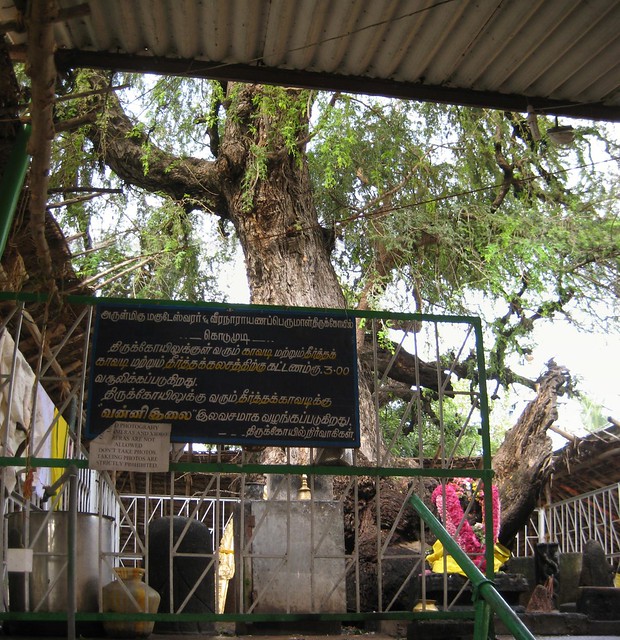
Vanni Tree, Marundeeswarar Koil Botanical name: Prosopis spicigera
Common name: Indian mesquite, Khejri
Tamil name: Vanni ilai
Sanskrit name: Vanni, Shami pathram
Atha pathra mantram: Shami pathram samarpayami
Leaf fragrance: No fragrance

Description

  •  Khejri is a medium size thorny evergreen tree having more than 45 species.
  •  Khejri tree is one of the sacred trees in India.
  •  Khejri leaves are the favorite leaves for Ganesha and Sani.
  •  In Mahabaratha, Pandava’s hide their weapons on Khejri tree in their incognito period and retrieve them on Vijayadhasami.
  •  Leaves are used for pooja offerings to various Deities.
8.b

Botanical name: Prosopis spicigera

Common name: Indian mesquite, Khejri
Tamil name: Vanni ilai
Sanskrit name: Vanni, Shami pathram
Atha pathra mantram: Shami pathram samarpayami
Leaf fragrance: No fragrance

Description

  1.  Khejri is a medium size thorny evergreen tree having more than 45 species.
  2.  Khejri tree is one of the sacred trees in India.
  3.  Khejri leaves are the favorite leaves for Ganesha and Sani.
  4.  In Mahabaratha, Pandava’s hide their weapons on Khejri tree in their incognito period and retrieve them on Vijayadhasami.
  5. Leaves are used for pooja offerings to various Deities.
THE GOD CALLED A VANNI TREE, A LINGAM, AND A WELL, FROM TIRUPURAMBIYAM TO BEAR WITNESS TO A MARRIAGE .. link ...
god called a vanni ...


VANNI TREE ( 2000 years old ) from KORKAI ...


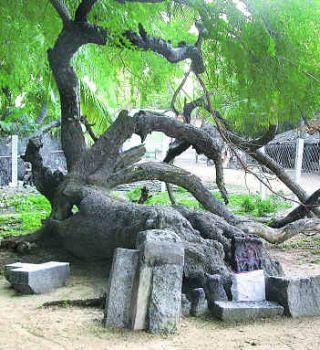
2000 years old vanni tree at kodumudi temple

2000 வருடம் பழமையான வன்னிமரம்


இடம்


ஈரோடு மாவட்டம் கொடுமுடி மகுடீஸ்வரர் ஆலயம்

 
Vanni Tree (Prosopis Spicigera) is a holy tree in hindu tradition. However this is very rare and found only in a few places. Vanni tree is worshipped on Vijaya Dasami since gave relief to Parvati by its shade when she was tired. Sri Rama, is said to have circumambulated vanni tree in his search for Sita. Also, Pandavas concealed their arms in a vanni tree when they had to lead their lives incognito. Vanni tree in Brihadisvara Temple .

வன்னிமரம் 1300 ஆண்டுகள்.அகத்தியர் வணங்கியது.கேட்டது கிடைக்கும். Thiruvanmiyur  Maruntheeswarar kovil.


Thank: 

https://tamil.webdunia.com/religion/astrology/traditionalknowledge/1102/23/1110223059_1.htm
https://bhagavan-sri-ramana-maharshi.blogspot.com/2013/06/interesting-but-forgotten-places-iv.html
https://www.facebook.com/permalink.php?story_fbid=292000630914253&id=216954831752167

Tuesday, September 16, 2014

தோப்புக்கரணம் [ Super Brain Yoga ]

தோப்புக்கரணம்.....

நம் நாட்டில் விநாயகரை வழிபடும் போதும்....,

படிக்கும் வயதில் ஆசிரியர் தண்டனையாக செய்ய சொல்வதும் “தோப்புக்கரணம்”

தோப்புக்கரணத்தின் பயன்கள்.. மூளைசெல்கள் புத்துணர்ச்சி பெறுகின்றன நாடிகள் சுத்தம் பெறுகின்றன.

நம் உடலிலுள்ள நரம்பு மண்டலங்கள் அனைத்தும் சேருமிடம் காது மடல்கள்.

தோப்புக்கரணம் செய்யும் போது காது மடல்களை இழுப்பதால் அனைத்து நரம்புகளும் தூண்டப்படுகின்றன.


செய்முறை:
.

முதலில் கால்களுக்கு இடையில் ஒரு ஜான் அளவு இடவெளி விட்டு நிற்கவேண்டும்.

இடது கையால் வலது காதையும், வலது கையால் இடது காதையும் பிடித்துக்கொண்டு..

மூச்சை இழுத்துக்கொண்டே அமரவும் அமர்ந்த நிலையில் ஒரு மூச்சு விட்டு..

பிறகு எழ வேண்டும் இப்பொழுது நின்ற நிலையில் ஒருமூச்சு விட வேண்டும்.

இவ்வாறு பத்து முறை தினமும் செய்தால் மாற்றம் உங்களுக்கே தெரியும்..
இதனை நம் முன்னோர்கள் பல வருடங்களுக்கு முன்னமே நமக்கு காட்டியுள்ளார்கள் ஆனால் நாம் அதை அலட்சியப்படுத்திவிட்டோம்.

இதனை வெள்ளைக்காரன் ஆராய்ச்சி செய்து அவன் பணம் சம்பாரிக்கிறான்.......

சந்தேகமெனில் youtube- ல் super brain yoga என்று தேடிப்பாருங்கள் விடயம்
உங்களுக்கே புரியும


There are doing , Why can we start Now ....

Monday, September 8, 2014

திருண்ணாமலை ஞான உலா 28-09-2014

There are 10000000 more Siddhar in and around us, but now some of Soul Waiting for you in Thiruvannamalai …. 

 Our 2nd Annual event on 28-09-2014 [SUNDAY] 
at ” Siva Siva mutt “ Gandhimathi ammal illam in Thiruvannamalai

Nandi Flag Hosted at 3.15 am

Manickavasagar Athi maram [wooden] statue decorator with flowers carrying by Adiyar Thirukoottam for Girivalam at 4.15 am
with blessing  our Guru
 about 15 minutes “Kailayam vathiyam”  by Adyarkal play in front "Raja gopram " at 5.00 am and carrying Kungiliam smoke [sambrani smoke] Girivalam

Thiruvasakam Mutrotha by varies Adiyar Thirukoottam song Thiruvasakam while doing Girivalam ..


Girivalam Annadanam near "Adi annamalai"  &  Siva Siva mutt Thiruvannamalai 


last year event Video https://Girivalam.. )

Those who wish to sponsor Annadanam may contact me chamundihari@gmail.com


Thanks & Regards
Harimanikandan .V
ஹரிமணிகண்டன்


ஓம் சிவசிவ ஓம்
Be Good & Do Good


Thursday, September 4, 2014

SPSA Thirukoottam Annual event list 2013-2014

With our Guru wish's... 

Two year befour we stated first event "Inner girivalam with Panniru thirumurai" (link ) in Thiruvannamalai  , after that we plane to give ‘Valarpirai Dwadashi Tithi Annadanam’ to Sadhus who living in Thiruvannamalai . link from our Sivan Adiyar Thirukoottam ..

and also This year our Annual event on 28-09-2014 [ sunday ], we are plain to doing Annamaliaiyaar girivalam [Thiruvannamalai ] with Thiruvasakam mutrotha carrying Kungiliam smoke [sambrani smoke] by 2000 siva Adyarkal... 

Last one year our Adiyar Thirukoottam have perform event ...

1 Valarpirai Dwadashi Tithi Annadanam [12 month]

          Why we want to do ‘Valarpirai Dwadashi Tithi Annadanam’ to Sadhus who living in Thiruvannamalai .
          In ‘SivaMahapuranam‘ old Puranam book say “ When we give feast  people in our town , it is equal to do one Sadhu in Kasi, but same time when we give Sadhu in Kasi , it is equal to do one Sadhu in Thiruvannamalai on Dvadashi Tithi . It will clearing our forefather & our karma in this life time itself”.

         AdiSankara was moved by her selflessness and the poverty of the poor lady and prayed to Goddess Lakshmi in a beautiful sloka which is called 'Kanakadara Stotram'. On completion of this stotram, Goddess Lakshmi appeared in person and showered a rain of golden coins on the poor lady's house on Dwadashi Tithi .


2 Madurai Meenakshi Wedding Feast  ..          
         

3. Sadhanandaswamigal Gurupooja 
         
4 Thiruvannamalai Thiruvasakam Mutrotha in Girivalam  2013 https://Girivalam.. ) 1st Annual event


5 Rice & Cooking oil Thavathiru thiru padha swamigal ashram - karthika deepam 


6 Kala pooja in siva temple Shivaratri ..


7  
Thavathiru thiru padha swamigal annadhanam mundapam ( brick,sand ,etc)


8
Amman abhishekam at Chadaiswamy Ashram

9 10 mm Ruthratcham 8 Bag from Kasi  [ 500 malai] given to adiyar


10 Tiruchendur Masi Mgam Annadanam 

11 One day exp for 10 sadhu's went amarnath yatra

12  Thiruvasakam Mutrotha - Thiruvannamalai 2014


 Sivan Adiyar Thirukoottam 
Account statement   [ 1/09/13 to 31/8/14 ]


Month Income Exp Balance
Last Month OB 19899
2013-Sep 50906 86710 -15905
2013-Oct 12101 10000 2101
2013-Nov 51573 48100 3473
2013-Dec 33954 26001 7953
2014 Jan 17943 11001 6942
2014 Feb 56754 58551 -1797
2014 Mar 27596 27800 -204
2014 Apr 55709 54775 934
2014 May 17184 13000 4184
2014 Jun 17172 20000 -2828
2014 Jul 66292 72400 -6108
2014 Aug 14204 11700 2504
441287 440038 1249
Balance in hand 1249


Thanks &Regards
Harimanikandan .V
ஹரிமணிகண்டன்


ஓம் சிவசிவ ஓம்
Be Good & Do Good

Monday, September 1, 2014

திருப்பதி முருகன் தலமா? திருமாலின் தலமா?


திருப்பதி முருகன் தலமா? திருமாலின் தலமா?  என்று கேட்ட கேள்விக்கு

‘இரண்டுக்குமே அங்கே ஆதாரம் உண்டு’ என்றார் கி.வா.ஜ.’

‘எப்படி?’ என்று கேட்டார் பெரியவர்.
வடநாட்டார் பாலாஜி என்று அந்த ஆண்டவனை அழைக்கிறார்கள். பாலனாக இருப்பவன் முருகன் தான். அடுத்து, வெள்ளிதோறும் திருமலையில் இன்றும் வில்வத்தால் அர்ச்சனை நடக்கிறது. மேலும், மலைகளுக்கெல்லாம் தலைவன் முருகன்தான் என்பது வழக்கு. அவன் குறிஞ்சி நிலக் கடவுளல்லவா?’என்றார் கி.வா.ஜ.. ‘சரி! இதில் உன்னுடைய கருத்து என்ன?’ – என்று கேட்டார் பெரியவர்.

‘பழங்காலத்தில் அங்கே முருகன் கோயிலும், திருமால் கோயிலும் இருந்திருக்க வேண்டும். திருமால் கோயிலுக்கு சிறப்பு வரவர, முருகன் கோயில் மறைந்திருக்க வேண்டும். இதுதான் என் கருத்து’ என்றார் கி.வா.ஜ.
ஆனால், பெரியவர் தன் கருத்தாகச் சொன்னது என்ன தெரியுமா?

‘ஏதோ ஒரு புராணத்தில் அங்கே இரண்டு சக்திகள் இருப்பதாகப் படித்திருக்கிறேன். ஒன்று கௌமாரி; இன்னொன்று வைஷ்ணவி. அதனால்தான் அந்த கோயில் மதில்சுவரில் சிங்க வாகனம் உள்ளது!

திருமால் ஆலயம்தான் என்றால் கருட வாகனம் இருக்கும். முருகன் கோயிலாக இருந்தால் மயில் வாகனம் இருக்கும். ஆனால், சக்திக்கு வாகனமான சிம்மம்தான் அங்கே உள்ளது. தொண்டை மண்டலத்தில், சக்தி க்ஷேத்திரத்தில் சிம்மம்தான் இருக்கும். ஒரு காலத்தில் திருப்பதி, தமிழ்நாட்டின் தொண்டை மண்டலத்தோடுதான் சேர்ந்திருந்தது. பின், அரசியல் காரணங்களால் மொழிவாரியாக மாநிலம் பிரிக்கப்பட்டதில் ஆந்திராவோடு சேர்ந்து விட்டது. இரண்டு சக்திகளுக்கான கோயிலாக அது இருப்பதனால் – முருகன் கோயில் என்றும், திருமால் கோயில் என்றும் சொல்வது பொருந்துகிறது’ என்றார்.

பிறகு அங்கு இருக்கும் மடத்துச் சிப்பந்தியிடம் ‘எனக்கு திருப்பதியில் கொடுத்த பரிவட்டம் உள்ளே இருக்கிறது. அதைக் கொண்டுவா’ என்று பணித்தார். அவரும் அந்த பரிவட்ட ஆடையைக் கொண்டு வந்தார். அதை கி.வா.ஜ.விடம் கொடுத்து அளக்கச் சொன்னார். கி.வா.ஜ.வுக்கோ ஒரே பரவசம்.

ஏனென்றால், அந்த பரிவட்டம் திருப்பதி பெருமாளுக்கு சாத்தியபின் பெரியவருக்கும் சாத்தப்பட்டது. இப்படி இருவர் திருமேனியைத் தழுவியதை அவர் தழுவும்போது சிலிர்ப்பு ஏற்படத்தானே செய்யும்?

கி.வா.ஜ.வும் அதை அளந்து பார்த்தார். சரியாக முப்பத்தி ஆறு முழங்கள் இருந்தது. இதுபோன்ற பரிவட்ட ஆடைகளை திருப்பதி தேவஸ்தானத்துக் கென்றே பிரத்யேகமாக தறிபோட்டு நெய்வது வழக்கம். இதற்கென்றே நெசவாள கிராமம் ஒன்று உள்ளது. அவர்களுக்கும் காலம் காலமாக முப்பத்தாறு முழம்தான் கணக்கு. கி.வா.ஜ.வும் முப்பத்தாறு முழம் இருப்பதைக் கூறினார். உடனேயே பெரியவர், ‘நம்மவர்களில் பெண்கள் பதினெட்டு முழம் கட்டுகிறார்கள். இரண்டு பெண்களுக்கு என்றால் முப்பத்தி ஆறு தானே?’ என்று கேட்டார். அதாவது வைஷ்ணவி, கௌமாரி என்னும் கணக்கில்… சமத்காரமான அந்த கருத்தும் கேள்வியும் கி.வா.ஜ.வுக்கு பிறகே புரிந்தது. அதேசமயம் திருமலை எப்படி திருமாலின் கோயிலாக பெரும்புகழை அடைந்தது, ஏன் சக்தி தலமாக தொடரவில்லை என்கிற கேள்வியும் எழுந்தது. பெரியவர் அதற்கும் பதிலைச் சொன்னார்:

‘இன்றும் இரண்டு சக்திகளின் செயல்பாடுகளும் அங்கே அனுக்கிரகமாக மாறி வெளிப்பட்டபடிதான் உள்ளது. கௌமார சக்திக்கு முருகனையும், வைஷ்ண விக்கு திருமாலையும் அடிப்படையாகச் சொல்வார்கள். இதில் இருவருக்கும் மாமன் மருமகன் உறவு முறை உண்டு. அவ்வகையில் மாமனே பெரியவர் என்பதால், மருமகன் மாமனுக்குள் ஐக்கியமாகி விட்டார் எனலாம். இது ஒரு கோணம்.

அடுத்து, காத்து ரட்சிப்பதில் திருமாலே முன் நிற்பவர். ‘சர்வம் விஷ்ணுமயம் ஜகத்’ என்பது வழக்கு. சித்தாந்தப்படி அவனே எல்லாமுமானவன். அவனுக்குள் எல்லாமே அடக்கம். அடுத்து, அது ஏழாவதாக உள்ள மலைமேல் உள்ள ஆலயம்! அதில் ஆறு சுடர்களில் மலர்ந்த ஆறுமுகன் அடங்கிவிடுகிறான் என்றும் எடுத்துக் கொள்ளலாம்.

கட்டுரையாளர்;இந்திரா சௌந்தர்ராஜன்
நன்றி; தீபம் இதழ்

இப்படி திருப்பதி குறித்து பல ரசமான எண்ணங்கள்…
( இதைச் சொல்லி ஒரு வேற்றுமையைச் சிந்திப்பது பெரியவர் எண்ணமில்லை. சர்ச்சையை உருவாக்குவதும் அவர் நோக்கமில்லை. கி.வா.ஜ., ஒரு தமிழாந்த அறிஞர். இதிகாச புராண ஆராய்ச்சி உடையவர். அவரோடு உரையாடும்போது அவருக்குப் பயன்தரும் விதமாயும், ஆழ்ந்த சிந்தனைகளோடும் உரையாடுவதே பெரியவர் நோக்கம்.)

Thank : madambakkamshanks@yahoo.com 
https://thiruppugazhamirutham.blogspot.com/2012_12_01_archive.html